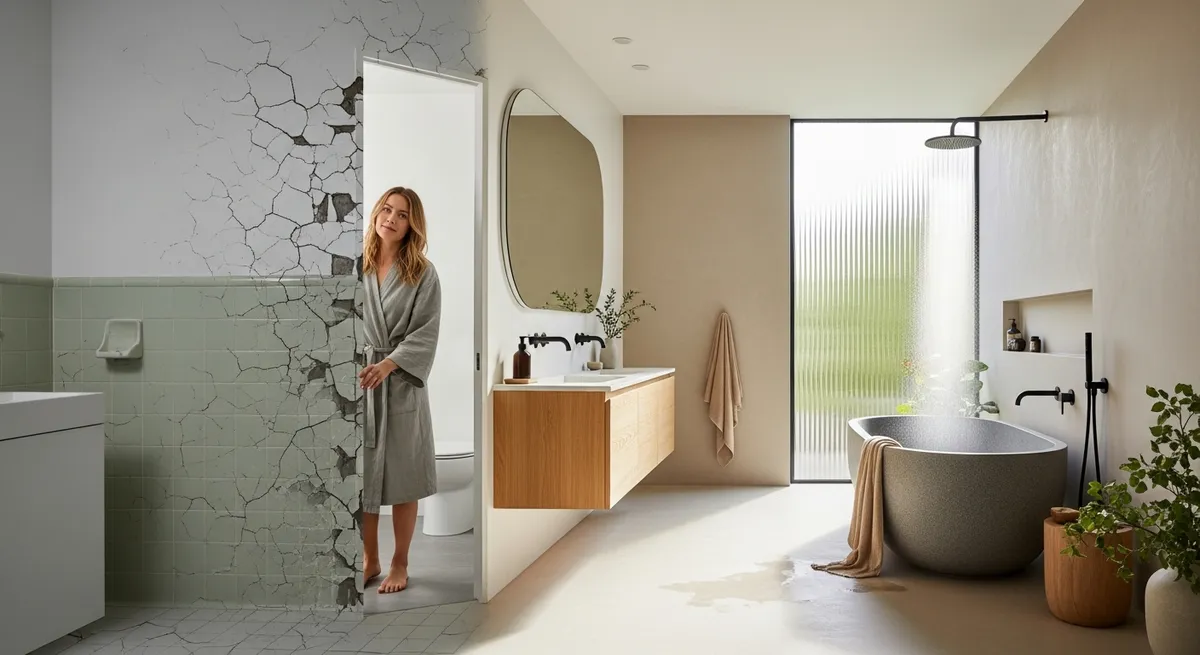
Understanding bathroom renovation trends 2026 can help simplify decision-making when planning an upgrade, especially as priorities shift toward functionality and long-term value. Rather than focusing on purely decorative features, many homeowners are now prioritizing layouts, lighting, and durable materials that improve everyday usability. Evaluating bathroom remodel cost alongside practical improvements allows for better budget allocation and higher return on investment. At the same time, modern bathroom design ideas emphasize comfort, efficiency, and adaptability to changing needs. A balanced approach between aesthetics and performance is becoming the standard for successful renovations in 2026.
The Death of the Bathroom Vortex
Designers often point to the "vortex" - a single, depressing fan and light combo in the center of the ceiling that casts harsh shadows exactly where you don't want them - as a major bathroom flaw. Shadows make simple tasks nearly impossible if you've ever tried to shave or apply makeup in a room with only one overhead light. This shadow mistake makes even the most expensive tile look dismal and cheap, a point real-world renovators frequently warn against. Lighting is identified by the National Kitchen and Bath Association (NKBA) as the fastest-evolving category in bathroom design for 2026, with a new focus on "emotional safety."4 They're seeing a massive move toward what they call "emotional safety," which is just a fancy way of saying you shouldn't feel like you're in a police interrogation room when you're trying to brush your teeth.
Moving toward a three-layer system that includes ambient, task, and accent lighting is how you fix this. General glow is provided by ambient lighting, while task lighting focuses on the vanity and accent lighting highlights design features or provides a soft glow for late-night visits. This simple shift completely changes the atmosphere. I've seen homeowners swap out a single "vortex" light for a few recessed cans and a pair of sconces, and the room suddenly feels twice as big. And it's not just about the bulbs. Dimmers can be installed to control the intensity, or smart lighting can adjust the color temperature based on the time of day. Because let's be honest, nobody wants 100% brightness at 2:00 AM when they're just looking for a glass of water. Practical design upgrades like this don't require moving plumbing but have a massive impact on your daily routine. Functional payoff is huge for these lighting upgrades, even though the cost is relatively low compared to structural work.
But the vortex isn't just about light; it's about that rattling fan that sounds like a jet engine. Modern upgrades are focusing on ultra-quiet ventilation that pulls moisture out without waking up the whole house. If your fan sounds like it's struggling for its life, it's probably not doing much to prevent mold. In 2026, we're seeing these units integrated more cleanly into the ceiling, often hidden behind the lighting fixtures themselves. It's about getting rid of the clutter that distracts your eyes. When you walk into your bathroom, you want to see your new vanity or that nice tile work, not a plastic grate from 1994 that's caked in dust. You get a balanced environment that actually feels like a sanctuary, rather than one bright bulb making the room feel like a clinical exam space.
Why Your 2026 Budget Needs a Reality Check
Let's talk about the money, because that's usually where the stress starts. The National Association of the Remodeling Industry, an organization based in Wheeling, Illinois, found that homeowners are pulling back on the ultra-luxury features in favor of things that actually last.3 You might want that heated towel rack or the built-in TV in the mirror, but if your plumbing is 40 years old, you're just putting lipstick on a pig. I've seen projects stall because the homeowner spent the whole budget on a fancy tub and had nothing left to fix the subfloor that was rotting underneath it. In 2026, the smart money is going into "unseen" quality. This means better waterproofing, updated pipes, and high-quality valves that won't leak in three years. It's not as fun as picking out paint colors, but it's what keeps your investment safe.
If you're looking at a mid-range bathroom remodel cost, you're likely looking at a range that varies wildly depending on where you live. In some cities, $20,000 gets you a full refresh; in others, it barely covers the labor. But the return on investment (ROI) is actually higher for these mid-range projects than for the high-end luxury ones. Functional simplicity means choosing materials that are durable and look good to everyone, not just a niche group of designers. Think high-quality porcelain tile instead of porous natural stone. It looks great, lasts longer, and you don't have to seal it every six months.
And then there's the labor. I can't emphasize this enough: don't skimp on the person doing the work. In 2026, we're seeing a shortage of skilled tradespeople, which means the good ones are charging more. If you get a quote that seems too good to be true, it probably is. I've seen "budget" contractors leave people with showers that leak into the kitchen below within a month. Pay for the expertise. You want someone who knows how to properly slope a shower floor and how to waterproof a niche so it doesn't become a mold factory. Your budget should reflect that. If you have $25,000, spend $15,000 on great labor and $10,000 on solid materials, rather than the other way around. You'll thank me when your bathroom still looks new five years from now.
2026 Fixture Markets and New WaterSense Standards
Fixtures you choose for your next project will be directly impacted by the current EPA overhaul of WaterSense standards.2 Lowering the maximum flow rate for faucets from 1.5 gallons per minute (gpm) to 1.2 gpm is proposed in draft specifications for WaterSense version 2.0.2 This changes fixture performance, even if it sounds like a minor detail. Now, I know what you're thinking. You're worried that a lower flow rate means you'll be standing in the shower for twenty minutes just to get the soap off your skin. But the technology has actually caught up. Modern aerators and showerheads use air injection to make the water feel "heavier" and more pressurized, even though you're using less of it. Weak water pressure will leave you frustrated every time you wash your hands if you choose a poorly engineered low-flow faucet.
Think about your water bill for a second. If you have a family of four, those savings add up fast. To ensure they actually work as intended, the new rules target the performance and affordability of low-flow showerheads and toilets. In many parts of the country, water scarcity is a real issue, and local building codes are starting to reflect that. Looking for the WaterSense label ensures you meet modern standards while still getting the performance you expect. And honestly, the new fixtures look better anyway. Research upfront is required to avoid the "weak stream" problem of early models, but this small decision saves thousands of gallons of water over the life of the fixture. Upfront costs for high-quality, high-performance fixtures can be 20% higher than standard models, but these upgrades pay for themselves through lower utility bills in the long run.
I recently talked to a plumber who's been in the business for thirty years. He told me the biggest mistake people make is buying the cheapest "water-saving" toilet they can find at a big-box store. Those cheap units often have terrible flush power, meaning you end up flushing twice, which defeats the whole purpose. If you're going to go low-flow, go with a reputable brand that has a high "MaP" score (Maximum Performance). In 2026, the best toilets are those that combine a 1.28-gallon flush with a powerful rim-jet system. It's efficient, it stays clean, and it doesn't leave you wondering if you should have just kept the old one. This is what functional simplicity looks like in practice: things that work so well you don't even have to think about them.
A massive renovation isn't always the best move for your wallet or your sanity, as the numbers clearly show. While a massive overhaul might feel good for a week, your wallet and sanity will probably take a hit you didn't plan for if you don't focus on the right things. I've seen homeowners spend $5,000 on a bathtub they use twice a year while their vanity lighting is so bad they can't see to put on a Band-Aid. Don't be that person. Focus on the layers of light and the quality of the fixtures first. Those are the things you use every single day. The "emotional safety" mentioned by the NKBA isn't just a buzzword; it's the feeling of knowing your bathroom works exactly how it's supposed to, without any annoying quirks or hidden leaks.
Storage That Doesn't Feel Like a Puzzle
If you've ever played a puzzle game with your shampoo bottles, you know how frustrating bad storage can be. In 2026, we're seeing a move away from those deep, dark vanity cabinets where things go to be forgotten for five years. Instead, people are opting for drawers. It sounds simple, but it changes everything. Full-extension drawers allow you to see everything at once, so you're not kneeling on the floor with a flashlight trying to find that one bottle of aspirin. I've seen this shift save people so much frustration. We're also seeing a rise in "vertical storage" - taking cabinets all the way to the ceiling to use space that's usually just wasted. It makes the room look taller and gives you a place for those extra rolls of toilet paper and seasonal items.
But it's not just about more cabinets; it's about smarter ones. We're seeing built-in outlets inside drawers so you can keep your hair dryer or electric toothbrush plugged in but out of sight. No more tangled cords all over the counter. And then there's the shower niche. Forget those plastic caddies that hang over the showerhead and eventually rust or get slimy. A built-in tiled niche looks ten times better and provides a permanent home for your soap and shampoo. Just make sure your contractor slopes the bottom of the niche slightly so water doesn't pool in the corners. It's a tiny detail that prevents a lot of cleaning headaches down the road.
And let's talk about the "medication cabinet." The old-school mirrored boxes are getting a serious upgrade. We're seeing recessed versions that sit flush with the wall, often with integrated LED lighting and even refrigerated sections for high-end skincare products. It's functional simplicity at its finest: hiding the clutter while adding features that actually make your life easier. If you're working with a small space, these recessed cabinets are a lifesaver. They give you storage without taking up any actual "air" in the room, which helps prevent that cramped, claustrophobic feeling that ruins so many bathroom layouts. You want your bathroom to feel like a sanctuary, not a storage unit.
Designing for "Emotional Safety" (And Your Future Self)
The term "emotional safety" might sound like something out of a therapy session, but in the context of 2026 bathroom renovation trends, it's actually quite practical. It's about designing a space that feels secure and easy to use regardless of your age or physical condition. This means curb-less showers, grab bars that actually look like high-end towel racks, and non-slip flooring that doesn't feel like sandpaper. I've seen families install these features for an aging parent, only to realize that they actually prefer them for themselves. A curb-less shower makes the room feel massive because the floor tile continues uninterrupted from one wall to the other. It's a clean, modern look that also happens to be much safer.
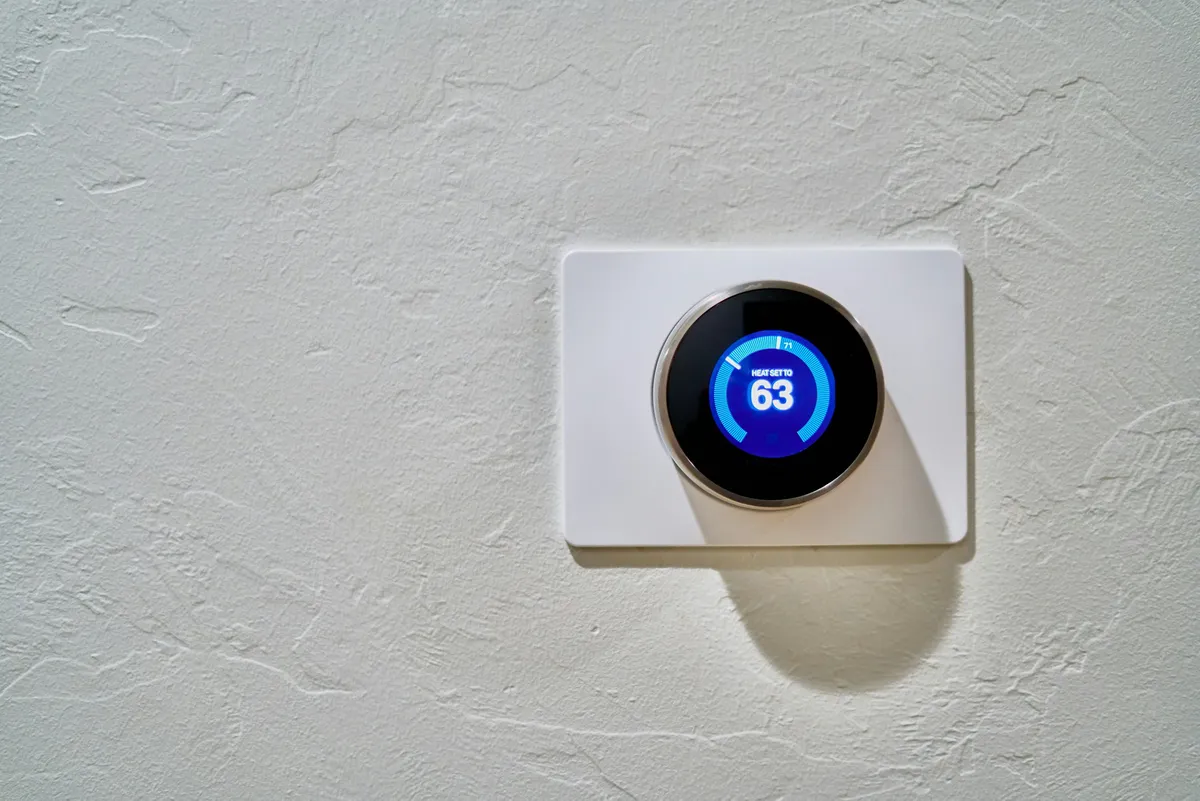
And then there's the "tech" side of emotional safety. We're seeing more smart leak detectors that can shut off your water main if they sense a burst pipe. This kind of tech isn't about flash; it's about peace of mind. If you're away on vacation and a pipe freezes, you don't want to come home to a flooded house. These systems are becoming standard in 2026 renovations because the cost has dropped significantly. It's a small insurance policy that fits right into the functional simplicity model. You don't see it, you don't have to fiddle with it, but it's there doing its job in the background.
But the most important part of this trend is how it makes you feel. A well-designed bathroom should lower your stress, not raise it. This means choosing colors and textures that feel grounded - think warm woods, soft grays, and matte finishes. We're seeing a lot of "biophilic" design, which just means bringing in elements of nature. Maybe it's a small wooden stool in the shower or a few plants that thrive in high humidity. These touches make the room feel less like a clinical space and more like a part of your home. When you walk in at the end of a long day, you want to feel like you can finally take a breath. That's the real goal of any renovation. It's not about impressing the neighbors; it's about creating a space that works for you, every single day.
Final Verdict
Focusing on mid-range updates that offer the best return is what the data suggests if your primary goal is to improve bathroom function and home value. Spending $120,000 isn't necessary to feel like you have a wellness retreat in your own home. Focus instead on layered lighting for all-hour use, smarter layouts that eliminate wasted space, and modern fixtures meeting the latest efficiency standards. Identify exactly where "shadow mistakes" and "human puzzle game" moments happen by auditing your current lighting and layout first. How well the room serves your daily life is what makes a bathroom functional, not how much you spend.
2026 Key Highlights
Frequently Asked Questions
Does resale value require keeping a bathtub?
The answer is no for most primary bathrooms. Sanctuary is what 90% of homeowners are looking for according to data from the NKBA, and many prefer a larger, high-end shower over a rarely used tub.4 Removing the tub in the primary suite rarely hurts resale value and often improves functionality, provided there is at least one other bathtub in the house for children or pets.
What is the actual price tag for a 2026 bathroom remodel?
Location varies this wildly, though the national average for a mid-range project is $16,500.1 High-cost areas like New York might see $20,000, while the same work could cost closer to $12,000 in Dallas.5 Your choice of contractor will be the biggest factor in your final bill, as labor typically accounts for 40% to 65% of that total.
Which bathroom design mistake is the most frequent?
Homeowners and professionals report that the most frequent error is relying solely on overhead lighting. Using the vanity effectively becomes difficult when deep shadows are created on the face.
How long does a typical 2026 renovation take?
Most mid-range bathroom projects currently take between three to five weeks depending on material availability and contractor scheduling.
Are smart leak detectors worth the investment?
Yes, as they provide peace of mind by automatically shutting off water during a pipe burst, often paying for themselves by preventing major flood damage.