Across 2026, many homeowners are moving away from cooler gray palettes and exploring warmer flooring options that better support everyday comfort. This shift reflects changing lifestyle needs, where homes are expected to feel both functional and relaxing. Warm-toned floors, including resin-based systems and natural wood alternatives, are becoming more common choices for those planning a floor renovation.
The Shift Toward Warm-Toned Flooring
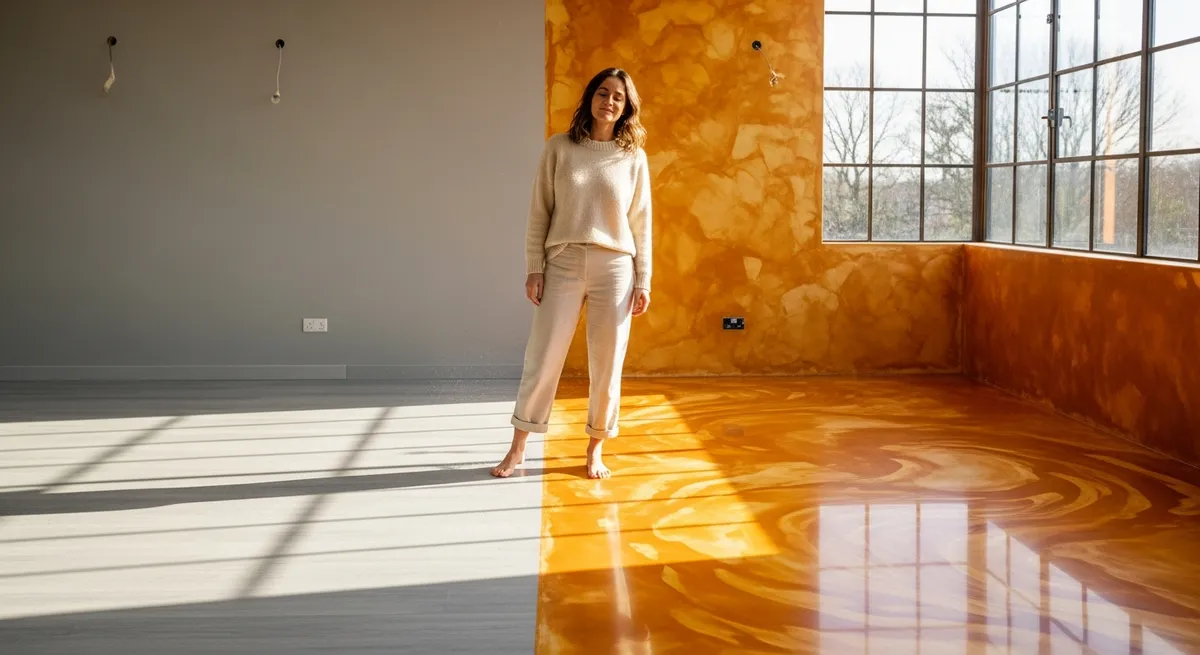
Recent design data shows a growing preference for warm, natural tones such as honey, oak, and amber. These colors help create a more inviting environment and can make spaces feel visually balanced. Unlike cooler tones, warm finishes tend to reflect light in a softer way, which contributes to a more comfortable indoor atmosphere.
Homeowners are increasingly viewing flooring as a foundational design element rather than a background feature. As a result, materials that add both durability and visual warmth are gaining traction in residential projects.
How Flooring Affects Daily Comfort
The color and texture of flooring can influence how a space feels throughout the day. Warm tones are often associated with comfort and relaxation, while cooler tones may feel more formal or minimal. For homes used for extended periods—such as remote work environments—this distinction becomes more noticeable.
In addition to color, texture also plays a role. Matte and satin finishes are becoming more popular because they reduce glare and provide a softer visual experience compared to high-gloss surfaces.
Why Resin Flooring Is Growing in Popularity
Resin flooring systems are gaining attention in 2026 due to their seamless finish, durability, and adaptability. These systems can be customized with pigments to achieve warm tones while maintaining a modern appearance. They are also compatible with various subfloor types, including concrete, making them suitable for a wide range of homes.
Advancements in manufacturing have improved indoor air safety standards, with many modern resin systems designed to meet low-emission requirements. This allows homeowners to complete renovations with minimal disruption.
Practical Considerations for Floor Renovation
When planning a floor renovation, it is important to consider both aesthetics and long-term maintenance. Durable materials that resist wear can reduce the need for frequent replacements. Seamless flooring options also simplify cleaning by eliminating grout lines and gaps.
Professional installation remains a key factor in performance. Proper surface preparation ensures that the flooring system bonds correctly and maintains its durability over time.
Cost and Long-Term Value
While some flooring options may have lower upfront costs, long-term value depends on durability and maintenance requirements. Higher-quality materials often provide better performance over time, reducing the need for repairs or replacements.
Homebuyers are also showing increased interest in properties with updated, cohesive interior finishes. Flooring that complements natural lighting and overall design can contribute to a more appealing living space.
Final Thoughts on 2026 Flooring Trends
Floor renovation trends in 2026 reflect a broader focus on comfort, functionality, and long-term value. Warm-toned materials and modern resin systems offer a balance between aesthetics and practicality, making them a strong choice for many homeowners. By selecting materials that support both design and daily use, it is possible to create a space that feels consistent and comfortable over time.
Frequently Asked Questions
Is resin flooring more expensive than hardwood?Generally, it's a wash. While the materials for resin can be pricey, you save on the intricate labor of laying individual planks. However, a high-quality, multi-layer resin system requires a specialized pro, so you shouldn't expect "bargain basement" pricing. Think of it as a long-term investment in your home's foundation.
Can I install resin over my existing tile?Yes, in many cases you can. This is one of the biggest "hidden" benefits of resin. A professional can often grind down your existing tile and pour the resin right over it, saving you thousands in demolition and haul-away costs. It also keeps all that old tile out of a landfill, which is a nice bonus for the planet.
Does a warm floor really help with resale?Absolutely. Real estate data from 2024 shows that homes with 'warm-neutral' palettes sell faster than those with 'cool-neutral' (gray) palettes. Buyers are looking for spaces that feel ready to live in, and a warm, inviting floor does that better than almost anything else. It makes the house feel like a home rather than a flip.
How do I clean a resin floor?It's almost annoyingly easy. Because there are no seams or grout lines, you just use a microfiber mop and a pH-neutral cleaner. You don't need harsh chemicals, and you don't need to scrub. For most people, it cuts their floor-cleaning time by at least 50% compared to tile or hardwood. It's a major lifestyle upgrade for anyone with kids or pets.
How long does the installation process take?Typically, a full installation takes three to five days depending on the size of the room and the complexity of the prep work. This includes time for the concrete to be ground down, the primer to set, and the final layers to cure properly. While it requires patience, the result is a seamless surface that can last for decades.