A family of four can spend anywhere from about $1,500 to over $8,000 on a week-long domestic trip, depending almost entirely on choices made before the first bag is packed. The difference isn't luck; it's planning, sequencing, and knowing where the money actually goes.
What Budget Friendly Family Vacation Ideas Typically Cost
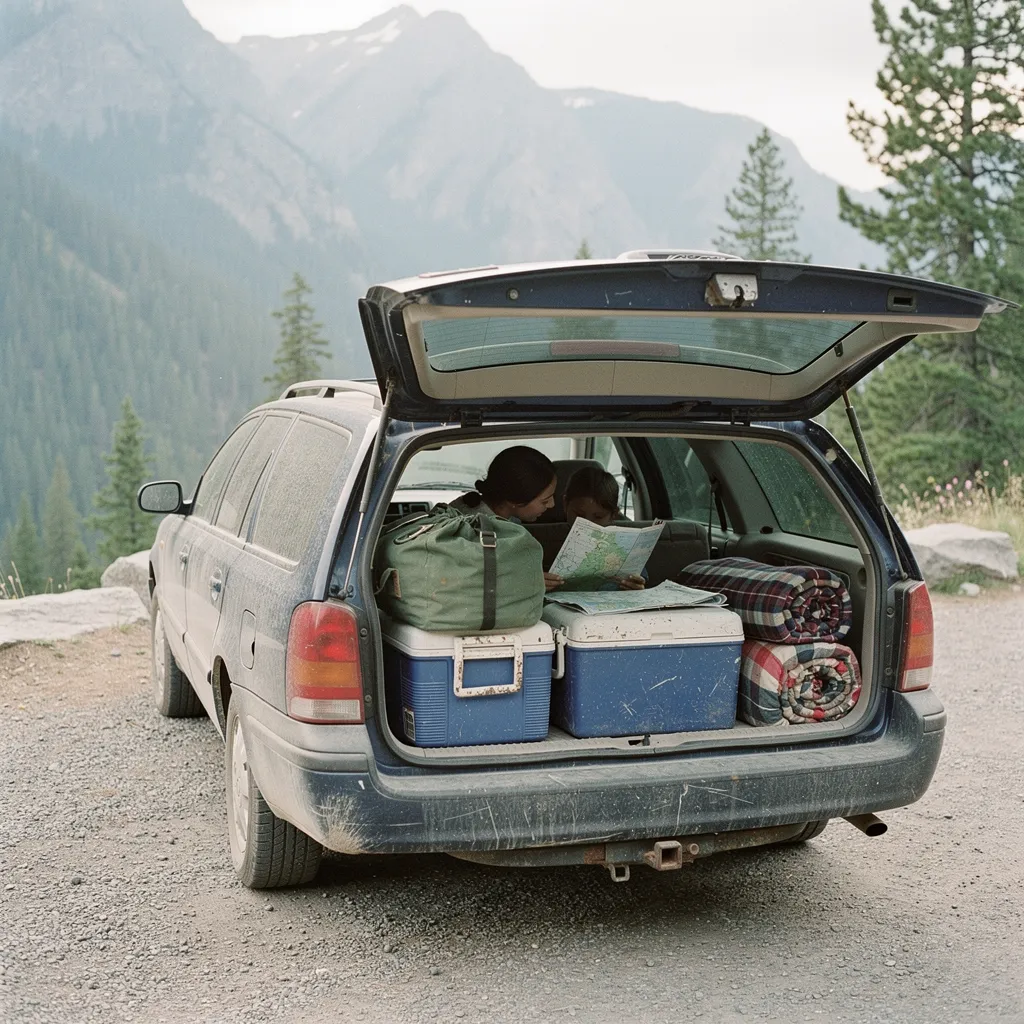
The range is wide and the variance is real. A road trip to a national park, with camping or a budget cabin, can come in around $1,500 to $2,500 for a family of four for one week. A mid-range beach rental within driving distance, say six to eight hours, runs closer to $3,000 to $4,500 all-in. Fly-and-stay trips to a major theme park destination regularly exceed $6,000 to $8,000 once flights, accommodation, and park tickets are stacked together.
The travel and tourism industry grew about 7.0 percent in 2023 after a 20.8 percent jump in 2022, according to the Bureau of Economic Analysis's Travel and Tourism Satellite Account. That sustained growth has kept prices elevated. Demand hasn't softened enough to bring rates back to pre-2020 levels at most popular destinations.
| Trip Type | Approx. Total Cost | Main Cost Driver |
|---|---|---|
| National Park Road Trip (camping) | $1,500 - $2,500 | Fuel, campsite fees, food |
| Domestic Beach Rental (drive distance) | $3,000 - $4,500 | Rental property cost |
| Budget City Break | $3,500 - $5,500 | Airfare, accommodation |
| Theme Park Destination (fly) | $6,000 - $8,500+ | Park tickets, flights, resort pricing |
What Makes the Price Go Up or Down
Timing is the single largest lever. Traveling during school holidays - summer, spring break, Thanksgiving week - adds a 20 to 40 percent premium on flights and accommodation compared to shoulder-season travel in May, early June, or September. That premium isn't a minor rounding error; on a $4,000 trip, it represents $800 to $1,600 in avoidable cost.
Transportation mode matters nearly as much. Flying a family of four round-trip domestically can easily cost $1,200 to $2,400 in airfare alone at peak periods. Driving that same route on 400 miles of highway might cost $80 to $120 in fuel. Side by side: a driven trip to a beach six hours away versus a flown trip to a beach three hours away can differ by $1,000 to $2,000 before a single night of accommodation is booked.
Destination type is the third variable. National park entrance passes - the America the Beautiful Annual Pass - run about $80 per vehicle per year and cover entry to over 2,000 federal sites. That's one of the clearest per-dollar values in family travel budgeting, particularly for families who camp or hike.
Where the Money Actually Goes
For most families, accommodation eats the largest share - typically 35 to 45 percent of the total trip budget. Food comes second - especially when dining out adds up across several days. Transportation is third. Activities and tickets are fourth but can overtake transportation on theme-park-style trips where single-day admission per person can run $100 to $150 or more.
A worked example makes this concrete. Take a family of four doing a five-night beach rental trip, driving eight hours. The rental property runs about $1,800 for the week. Fuel there and back comes to roughly $120. Groceries for five days, bought before departure, run about $300. Two restaurant dinners add another $150. Beach parking and activity fees add $80. Total: approximately $2,450. That's a realistic, plannable number - not a vague estimate - and it shows that accommodation dominates the budget in exactly the same way rent dominates a household's monthly spending.
The Hidden Costs That Catch Families Off Guard
Rental property fees are chronically underestimated. Many short-term rental listings show a base nightly rate that looks manageable, then add cleaning fees of $150 to $300, service fees of 10 to 15 percent, and local taxes. A listing showing $180 per night can land at $250 to $280 per night once all fees are applied. Always look at the total checkout price - not the nightly rate.
Pet fees, resort fees, and parking fees at hotels are a parallel problem. Resort fees at hotels near beach or theme park destinations can add $30 to $50 per night - charged separately at checkout and often not visible during booking searches.
Airport spending is another category that compounds fast. Families moving through terminals spend on food, entertainment, and last-minute items at prices well above street level. It's worth noting that the U.S. Department of Transportation announced about $1 billion in funding in December 2025, under the Infrastructure Investment and Jobs Act's Airport Terminal Program, to encourage airports to add more family-friendly facilities and resources as part of the Make Travel Family Friendly Again campaign. That funding requires eligible airports to submit projects by January 15, 2026. What that means practically: airport terminals may improve over the next few years, but current terminal spending remains a budget leak for families in transit now.
Travel insurance is a cost families skip until they need it. For a $4,000 trip, a basic policy typically runs $120 to $200. Missing it and having to cancel for a medical reason can mean losing the full prepaid cost.
How to Keep the Total Cost Down
Book accommodation and flights at least six to eight weeks in advance for domestic travel, and twelve or more weeks for peak summer periods. Rates climb steeply inside the thirty-day window as availability tightens.
Renting a house or condo with a kitchen cuts food cost substantially. Three restaurant meals a day for four people can run $120 to $180 daily. Self-catering with groceries cuts that to $40 to $60 daily. Over six days, that's a $480 to $720 difference - enough to pay for a significant activity or a night of accommodation.
Use flexible travel dates. Many booking tools show price calendars across a full month. Shifting departure by two or three days can reduce airfare by 20 to 30 percent. The same logic applies to rental properties: arriving Sunday rather than Friday or Saturday often triggers a lower nightly rate.
National and state parks are consistently among the lowest-cost family destinations per day of activity. The America the Beautiful Annual Pass at approximately $80 covers entrance for a full vehicle, meaning a family can visit multiple parks across a trip without additional gate fees. That's a concrete, verifiable value compared to theme park admission at $100 to $150 per person per day.
The Mistakes That Cost the Most
Booking the headline price without reading the total. Rental platforms and hotel aggregators surface nightly or base rates prominently. The full checkout total, with fees, taxes, and surcharges, can be 30 to 60 percent higher. Read the complete price before comparing options.
Assuming off-season means the same quality at a lower price. Some destinations genuinely offer better value in shoulder season. Others reduce services, close attractions, or shift weather conditions in ways that affect what families can actually do. Research what's open and what the weather looks like before booking a shoulder-season deal.
Treating vacation spending as outside the household budget. A family trip is a discretionary expenditure like any other. It should be planned against actual savings, not funded on revolving credit. Interest on a $4,000 vacation charged to a high-rate credit card and paid off over twelve months adds several hundred dollars to the real cost of the trip.
Over-planning paid activities and under-planning free ones. Many families fill itineraries with ticketed experiences and underuse beaches, hiking trails, playgrounds, public markets, and free museum days - all of which provide genuine value at no marginal cost. A day at a free public beach costs nothing beyond food and sunscreen.
What This Doesn't Cover
This article covers general cost patterns and planning strategies for domestic family travel. It doesn't account for international travel - which involves passport fees, currency exchange, foreign transaction fees, travel medical insurance requirements, and visa costs that change the budget framework substantially.
Cost figures here are approximate ranges based on patterns across popular domestic destinations. Actual costs vary by region, season, family size, and specific choices. Prices in the travel industry shift frequently - the BEA's data showing roughly 7.0 percent growth in travel and tourism in 2023 reflects a market that has been repricing consistently since 2021.
For families with complex financial situations - managing debt repayment, saving for near-term goals, or working within a tight cash-flow budget - a fee-only financial planner or certified financial counselor can help sequence vacation spending against competing priorities. The National Foundation for Credit Counseling maintains a directory of accredited counselors if structured guidance is useful.
This advice is right for families who have discretionary savings set aside for travel and want to stretch that money further with deliberate choices. Families who would need to carry credit card debt to fund a trip should weigh the interest cost against the total value carefully before booking.
References
- https://www.faa.gov/newsroom/transportation-secretary-duffy-launches-make-travel-family-friendly-again-campaign
- https://www.bea.gov/data/special-topics/travel-and-tourism
Disclaimer
This article is for general informational purposes only and isn't financial, investment, insurance, or tax advice. Rates, fees, and rules change and vary by lender and situation. For decisions about your own money, consult a qualified financial professional.