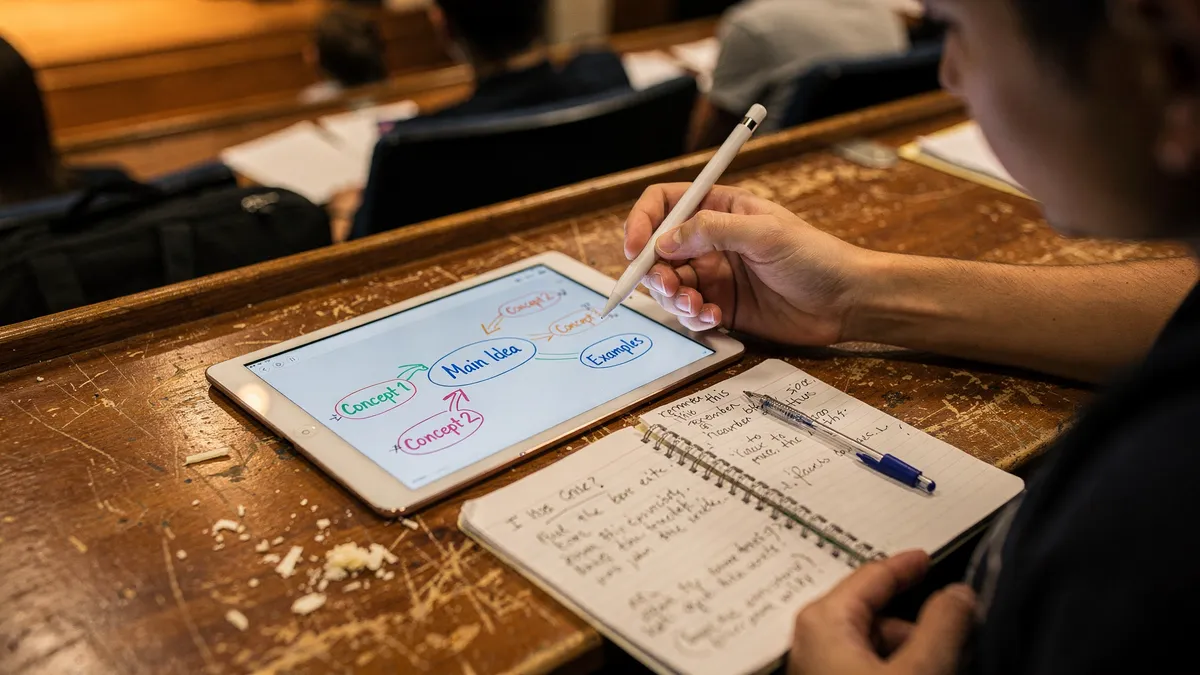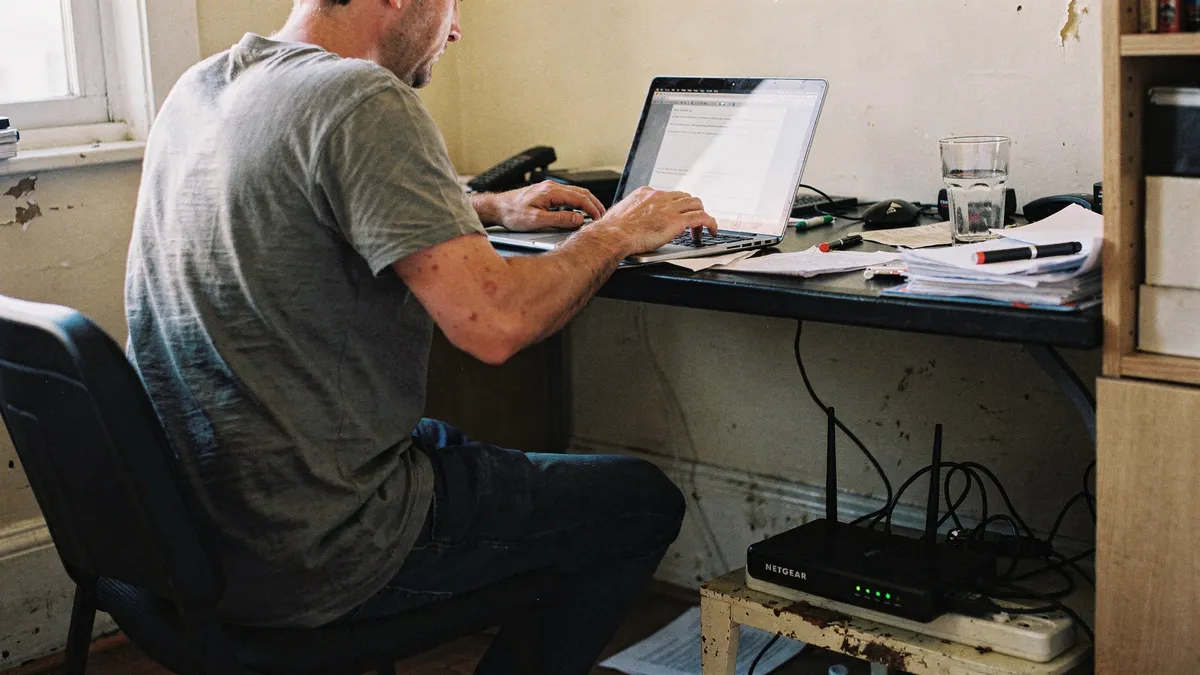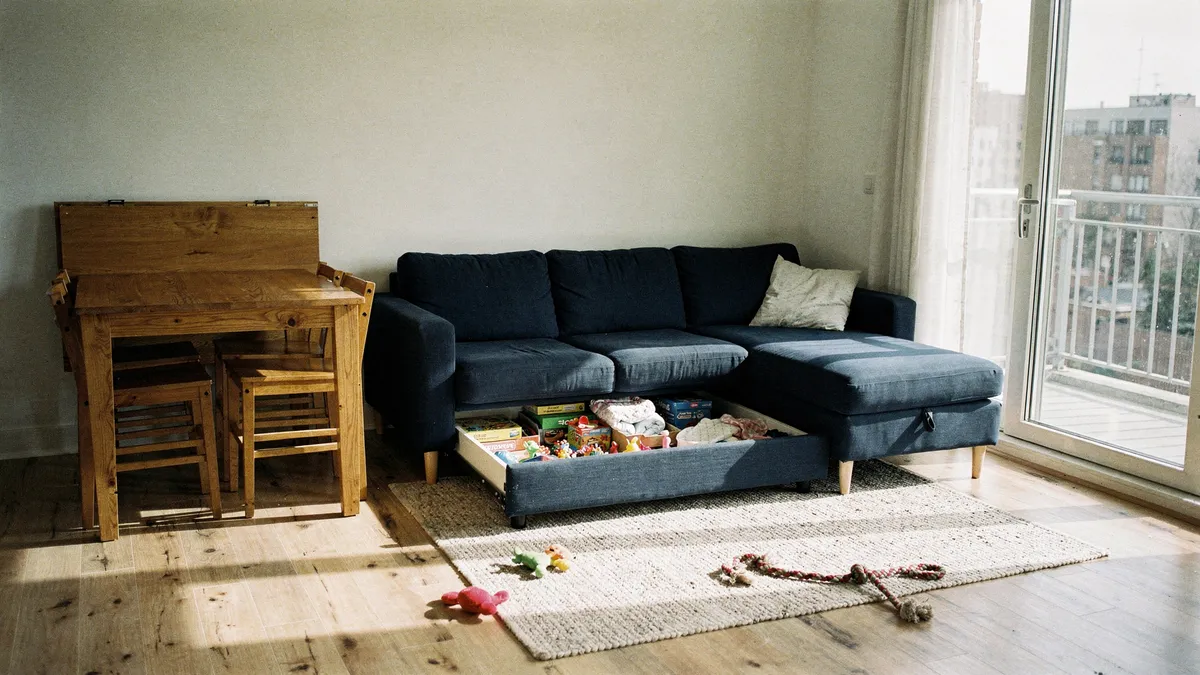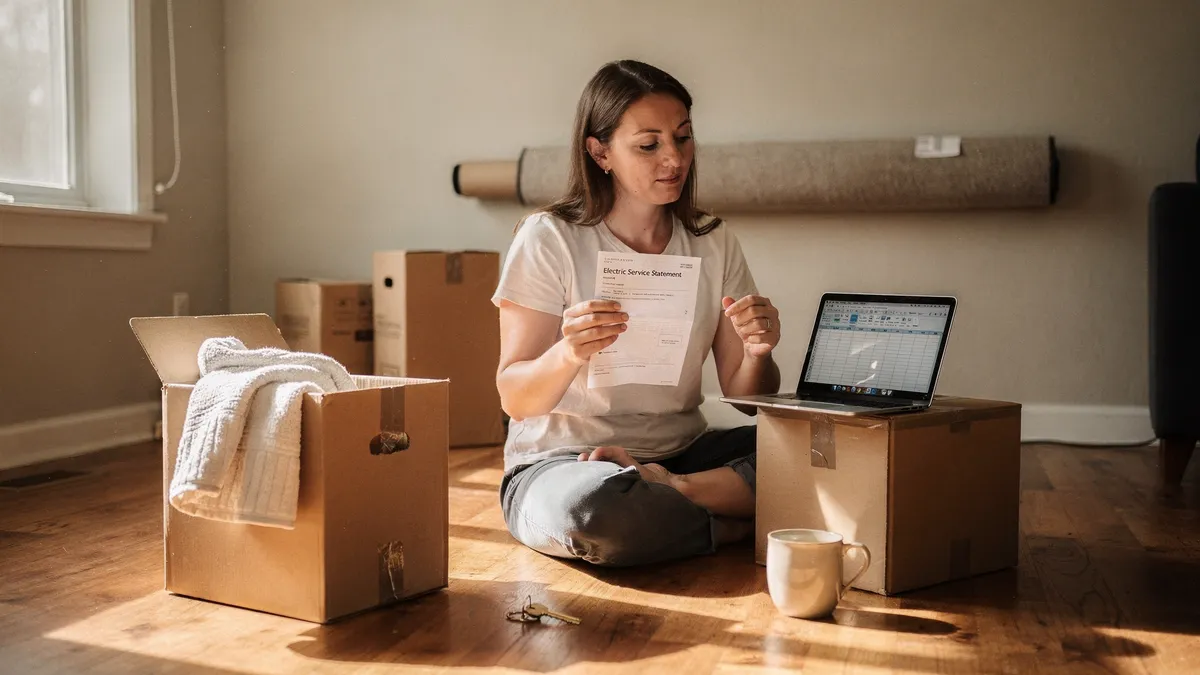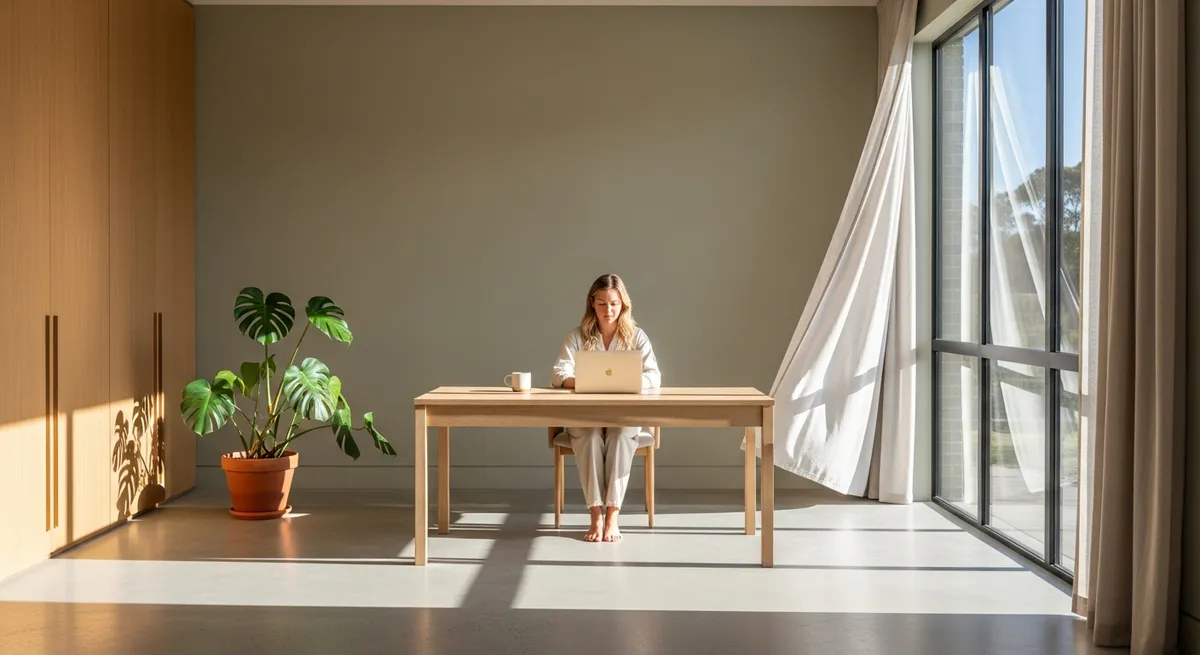
Why does your desk feel like a weight when the deadline is two hours away? Research from the Princeton University Neuroscience Institute shows that multiple stimuli present in the visual field, such as a stack of mail, old coffee mugs, and loose pens, compete for neural representation by suppressing activity in the visual cortex - which physically limits your ability to process information. Decluttering your home for better productivity isn't just about aesthetics because it directly impacts your neural bandwidth.
Does Decluttering Your Home for Better Productivity Actually Change Your Brain?
The visual cortex is essentially a filter that works best when it has fewer distinct objects to categorize within your immediate physical space. Constant visual competition triggers a low-grade flight-or-fight response that drains glucose from your brain before you even start your first task of the morning. High cortisol levels lead to executive function fatigue.
A study published in the Journal of Neuroscience found that clutter makes it harder to focus on a single task because your brain is constantly distracted by the "task-irrelevant" items sitting on your periphery. How can you expect to produce deep work in a shallow environment?
Cortisol Spikes and the Hidden Cost of Messy Environments
Messy rooms are silent stressors that accumulate throughout your entire morning. You might not notice the pile of laundry, but your endocrine system certainly does. Researchers at the University of California found that women living in cluttered homes had higher levels of the stress hormone cortisol, a chemical signal that - when sustained over long periods - can impair your memory and slow down your decision-making speeds.
Focus on one small zone instead of trying to overhaul your entire house in one afternoon. Trying to clean everything at once often leads to a "rebound mess" where your energy flags and you leave half-finished projects scattered across the floor, which only increases your baseline stress levels. Start with the surface you see most often.
Three Steps to a Minimalist Zoning System
Dividing your home into work and rest zones is a key step. When you bring leisure items into your workspace, your brain struggles to maintain the neurochemical state required for high-intensity cognitive output and professional efficiency. Effective decluttering your home for better productivity involves creating these mental boundaries between different rooms. Separating your phone from your pillow is the first move.
Successful organization systems rely on the "one-in, one-out" rule - a method that requires you to discard one existing item for every new purchase you bring into your home - because it prevents the gradual accumulation of objects that eventually leads to the mental fog that ruins your most productive hours. It stops the clutter before the clutter starts to grow.
Why do we keep things we haven't touched in over two years? Is the sentimental value worth the cost to your daily efficiency? Behavioral economists suggest that we often fall for the "sunk cost fallacy" where we overvalue items simply because we spent money on them in the past, a cognitive bias that keeps your shelves full of objects that offer no present utility but consume valuable mental energy.
Focus on the Physical Link Between Space and Mental Clarity
Do you really need five different pens that don't even work? Probably not, but you keep them anyway. Reducing your inventory of physical goods simplifies your decision-making processes and frees up your internal resources for the tasks that actually pay your bills.
Establishing Daily Habits to Sustaining Your Results
Imagine walking into a room where every surface is clear and the only things in your line of sight are the tools you need to complete your specific professional assignment for the morning. You sit down, open your laptop, and immediately find the file you need without digging through a drawer. Zero wasted time.
Maintenance takes exactly five minutes if you do it every single evening before bed. People who spend just fifteen minutes a day on basic maintenance, like clearing flat surfaces, filing loose paperwork, and putting away tech gear, tend to report noticeably more satisfying workdays than those who don't. The long-term benefit of decluttering your home for better productivity allows you to spend more time working and less time searching.
Letting Go of the Emotional Hurdle
Letting go of physical clutter is often an exercise in dealing with your own anxiety about the future. We keep things "just in case" because we fear that we won't have what we need later on. Trust your ability to solve problems without the extra stuff.
Decluttering can also improve your sleep quality by reducing the visual noise that keeps your brain in a state of high alert long after the workday has officially ended for the night. Better sleep creates better focus. Are you ready to trade your pile of boxes for a restful night of deep sleep?
The Core Ideas
- Visual clutter suppresses activity in the visual cortex and reduces cognitive capacity.
- High cortisol levels are linked to living in cluttered environments, affecting memory and mood.
- The "one-in, one-out" rule prevents long-term accumulation of unnecessary physical objects.
- Zoning your home into work and rest areas helps your brain maintain focus during professional tasks.
Clear One Surface Tonight
Reducing the physical noise in your environment allows your brain to dedicate more energy to complex problem-solving. Start by clearing a single surface today to break the cycle of visual distraction and stress. Your workflow depends on your ability to see the work that actually matters.