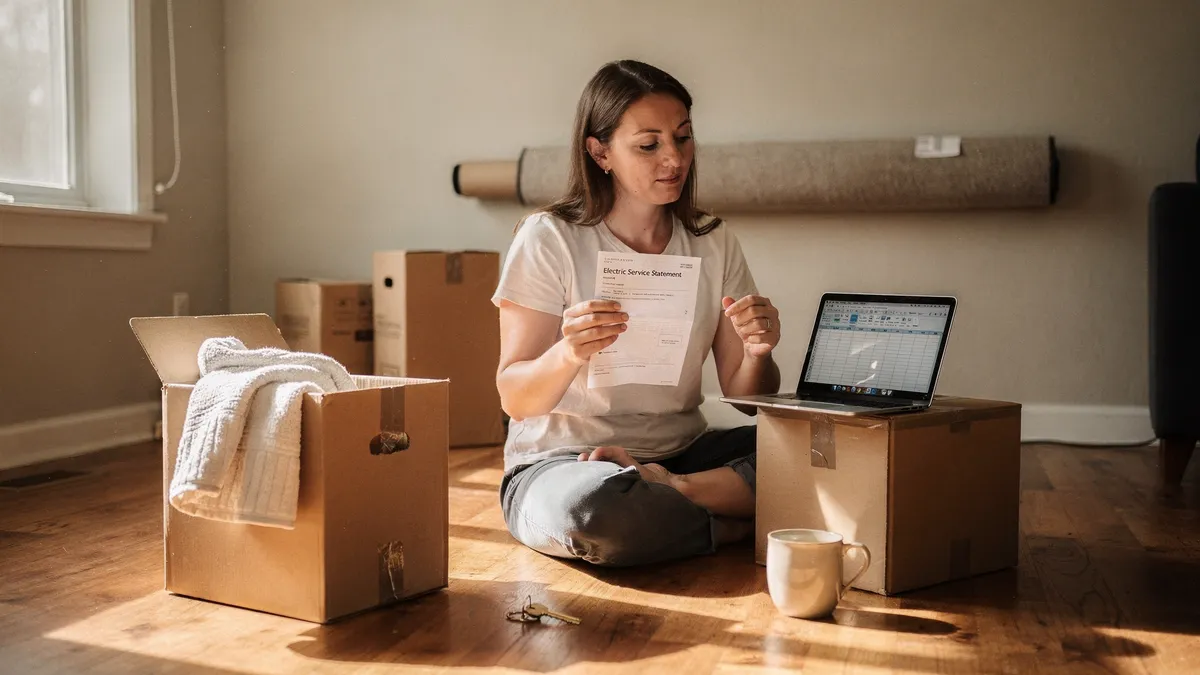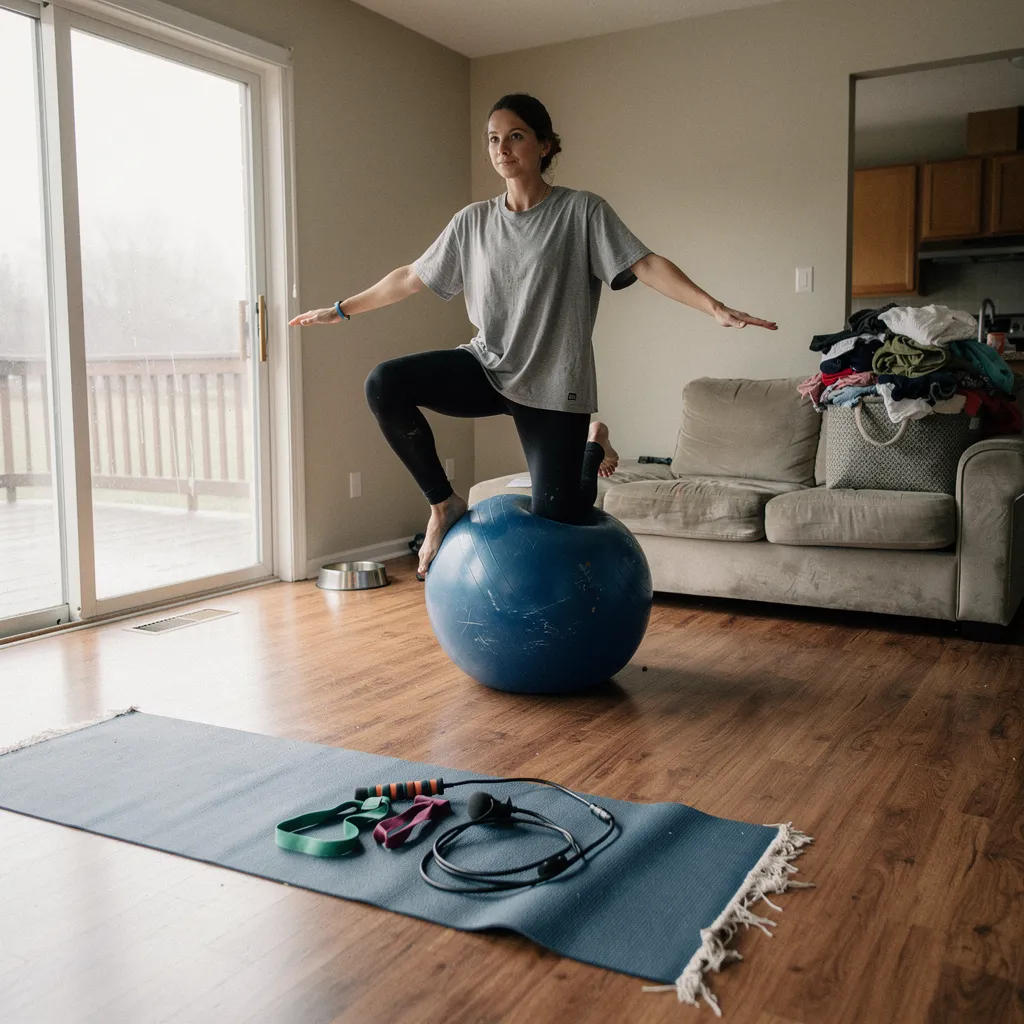
Home fitness equipment is any tool used to perform structured physical exercise outside a commercial gym setting. Understanding the real cost range - and what drives it - helps avoid both overspending and buying gear that collects dust.
What Affordable Fitness Equipment for Home Workouts Actually Costs
The range is wide. A functional home setup can cost as little as zero dollars using improvised items, or several thousand dollars if purchased new. According to national consumer surveys, such as those by Myprotein, the average American spends approximately $112 to $155 per month - roughly $1,344 to $1,860 annually - on gym memberships, home exercise equipment, and fitness expenses combined.1 That figure is approximate and varies considerably by region, equipment type, and individual spending habits.
For most people building a basic home setup from scratch, the realistic spend falls somewhere between $50 and $500 for a starter kit of resistance bands, a jump rope - and a fitness ball. A more complete setup adding adjustable dumbbells, a pull-up bar, and a mat typically runs $200 to $700. A premium home gym with a cable machine, barbell set, and power rack can easily reach $1,500 to $5,000 or more.
| Setup Tier | Typical Equipment | Approximate Cost Range |
|---|---|---|
| Improvised / Zero-cost | Canned goods as weights, old nylons as resistance bands, bodyweight exercises | $0 |
| Minimal starter kit | Resistance bands, jump rope, fitness ball | $50 to $150 |
| Functional home gym | Adjustable dumbbells, pull-up bar, mat, kettlebell | $200 to $700 |
| Intermediate setup | Adjustable bench, barbell, weight plates, resistance bands set | $600 to $1,500 |
| Full home gym | Power rack, cable system, cardio machine, full dumbbell set | $1,500 to $5,000+ |
A plain side-by-side comparison: a jump rope - one of the most effective cardio tools available - costs about $10 to $30 new, while a treadmill costs roughly $500 to $2,500 for a basic motorized model. Both provide cardiovascular conditioning. According to MedlinePlus - a jump rope can provide a great cardio workout,2 and walking at a moderate pace - one where you can talk but not sing - is itself sufficient for health benefit.2 The cost difference between those two options is several hundred to several thousand dollars.
What Makes the Price Go Up or Down
Three factors drive most of the cost variation: material quality, adjustability, and whether the item is bought new or used.
Resistance bands made from layered latex last longer than single-layer versions and cost more, but the difference is often $10 to $30. Adjustable dumbbells cost more upfront than fixed-weight dumbbells - sometimes $150 to $400 for a pair - but replace a full rack of fixed weights that would cost far more. That's a real savings in both space and total spend for most home users.
Brand pricing plays a role. Low-cost fitness center chains such as Planet Fitness - Crunch Fitness, and 24 Hour Fitness operate on minimal overhead and basic equipment,3 and the same principle applies to home equipment: stripped-down items with no digital screen, no Bluetooth, and no branded app subscription cost significantly less than equivalent machines with those features. The workout effect of a plain stationary bike isn't meaningfully different from that of an internet-connected one for most users.
Buying used is the single largest lever on cost. Second-hand platforms regularly list lightly used dumbbells - barbells, and benches at 40 to 70 percent below retail. Post-pandemic resale availability has been high: according to a survey by RunRepeat, about 34 percent of gym members globally reported plans to cancel or not return to their gym memberships during the COVID-19 pandemic,1 and a lot of purchased home equipment from that period has since entered the resale market.
Where the Money Actually Goes
For resistance-based equipment - dumbbells, barbells - kettlebells, weight plates - the dominant cost is raw materials. Steel and cast iron prices track with commodity markets. A 45-pound weight plate costs roughly $1.50 to $2.50 per pound new, and the math is simple: a 300-pound barbell set runs about $300 to $600 depending on steel grade and coating.
For cardio machines - treadmills, stationary bikes, rowing ergometers - the cost goes into the motor - the frame engineering, and increasingly, the attached software platform. A motorized treadmill priced at $1,200 might include $300 to $400 of motor and belt, $200 of steel frame - and several hundred dollars of touchscreen display and proprietary software subscription infrastructure. That software component adds recurring cost (monthly fees of $15 to $44 are common) on top of the purchase price.
Fitness balls, jump ropes, and resistance bands cost little because they involve minimal materials and no mechanical complexity. According to MedlinePlus, a fitness ball can help strengthen the abdominal muscles and improve balance,2 and resistance bands made from old nylons or tights can serve the same function as commercial bands for many exercises.2 The physiological benefit is real at any price point.
The Costs That Don't Appear on the Price Tag
Floor protection is underestimated. Rubber interlocking tiles cost $1 to $3 per square foot. A basic 10-by-10 foot workout area needs about 100 square feet - putting floor protection alone at $100 to $300. Without it, dropped weights damage flooring and generate noise complaints in apartments or shared buildings.
Storage is a real cost. A set of dumbbells with no rack takes up floor space and creates a trip hazard. A basic dumbbell rack costs $50 to $150 additionally. A power rack requires ceiling height of at least eight feet and a footprint of roughly 4-by-4 feet minimum - not available in all homes without rearranging or renting larger space.
Maintenance and replacement costs accrue. Resistance bands degrade and snap after heavy use, typically within one to three years of regular use. Cables on home cable machines fray. Jump rope handles crack. These are small costs individually but add up over a multi-year horizon.
Finally, the cancellation pattern seen in gyms applies to home equipment too. According to the West Virginia Legislature, approximately 50 percent of new gym members cancel their memberships in the first half of the year.1 Home equipment purchased impulsively follows a similar abandonment pattern. Buying cheap and simple first - then upgrading, is lower financial risk than a large upfront purchase based on projected motivation.
How to Keep the Total Cost Down
Start with the improvised and low-cost options first. MedlinePlus notes that canned goods or soda bottles filled with water or sand work as functional improvised weights,2 and old nylons can substitute for resistance bands.2 These cost nothing and confirm whether a routine will actually be maintained before any money is spent.
A worked example: a person building a functional starter kit - two resistance band sets ($20), a jump rope ($15), a fitness ball ($25) - and a yoga mat ($20) - spends about $80 total. That covers cardiovascular conditioning, resistance training, core work, and flexibility. Adding a single adjustable dumbbell set ($120 to $180 used) brings the total to roughly $200 to $260 for a genuinely complete general-fitness setup. Compare that to $1,100 - the approximate national average annual fitness spend noted by the West Virginia Legislature1 - and the savings are substantial.
Buy used whenever possible for heavy items . Avoid bundled software subscriptions unless the subscription is the actual product being sought. Prioritize versatile equipment - adjustable dumbbells replace a full rack - a pull-up bar serves multiple muscle groups, resistance bands travel and store flat.
The Mistakes That Cost the Most
Buying a large cardio machine first. Treadmills and stationary bikes are the most commonly abandoned pieces of home equipment. They're expensive, large, and single-purpose. A jump rope or walking route achieves comparable cardiovascular benefit at a fraction of the cost - and according to MedlinePlus, moderate-pace walking is itself a clinically recognized health intervention.2 Start there.
Assuming premium equipment produces better results. According to research published on PubMed Central - low-cost fitness facilities offer accessible fitness with basic equipment and minimal overhead,3 and the same principle holds at home. Muscle activation from a cast-iron dumbbell is physiologically identical to muscle activation from a branded smart dumbbell that costs five times more. The outcome difference comes from consistency of use, not equipment price.
Buying fixed-weight dumbbells in a full set upfront. A set of fixed dumbbells from 5 to 50 pounds typically costs $400 to $800 new and takes significant floor space. An adjustable dumbbell set covering the same weight range costs $150 to $400 used, occupies the space of a single pair, and delivers the same functional range. The fixed-set purchase is a common and avoidable overspend.
Ignoring floor and space requirements before purchase. A power rack ordered without confirming ceiling height or floor load capacity creates a return or resale situation with real financial loss. Measure first. Account for rubber flooring in the total cost calculation from the start.
When to Talk to a Professional
This article covers general cost and equipment selection information. It's not a substitute for individualized medical or exercise advice. Anyone with a cardiovascular condition - musculoskeletal injury, metabolic disorder, or other diagnosed health condition should consult a physician or licensed physical therapist before beginning or modifying an exercise program. A physical therapist can specify which equipment types are appropriate given injury history or movement limitations - that guidance may change the equipment list significantly and prevent injury costs that far exceed any savings from buying cheap gear.
If the goal is rehabilitation rather than general fitness, equipment selection should follow clinical recommendation, not cost optimization alone. Exercise physiologists and certified strength and conditioning specialists (CSCS) can provide evidence-based program design that makes equipment choices more purposeful and cost-efficient over time.
The next step is straightforward: list the movements you intend to perform - pushing - pulling, hinging, carrying, or cardiovascular - and buy the simplest, lowest-cost item that covers each category. Start there - maintain the routine for sixty days, and expand only after that baseline is established.
References
- Exercising on a budget: MedlinePlus Medical Encyclopedia - medlineplus.gov
- Low-cost fitness facilities study (PMC, NIH)
- Fiscal Note - wvlegislature.gov
Disclaimer
This article is for general informational purposes only and doesn't constitute professional, financial, medical, or legal advice. Consult a qualified professional about your specific situation.