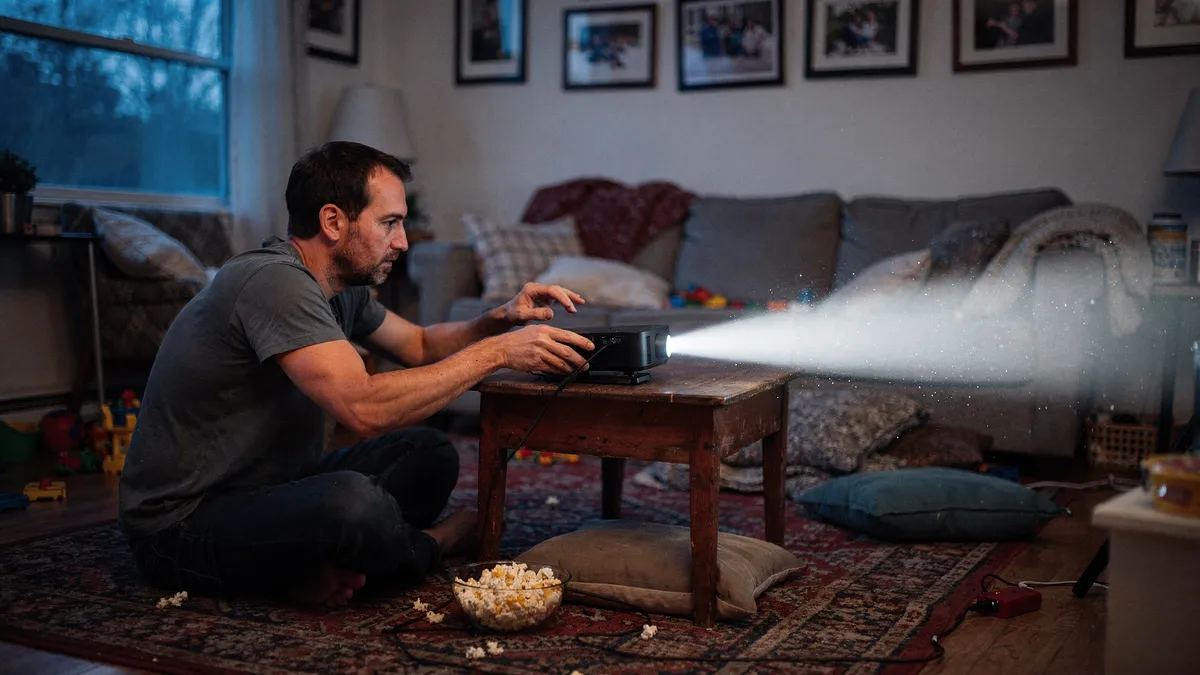
You're sitting there in the dark, eyes glued to a glowing rectangle. It is 1:45 AM, and you have spent forty minutes watching some stranger explain how to organize a pantry you do not even own. Your eyes sting, your brain is humming with useless data, and deep down, you know you're going to hate yourself when the alarm screams in five hours. Establishing healthy sleep habits in a screen-dominated lifestyle is no longer a luxury; it is a survival tactic in 2026. If you want a real shot at sleep quality improvement, you’ve got to understand that your phone is a drug that tricks your brain into thinking it’s high noon in July. Using circadian rhythm regulation techniques is the only way to claw back your rest from an economy that is built to keep you awake.
It isn't just you. It plays out in every major city. People look tired. The CDC, that massive federal agency in Atlanta, has found that roughly one in three adults is not getting enough sleep. That is tens of millions of people walking around in a fog because their internal clocks are shattered. You can’t just willpower your way through a biological mismatch. Your brain hasn’t evolved to handle the amount of blue light we’re shoving into it at midnight. It’s a mess. Honestly, it’s a total disaster for our collective health, and the worst part is that most of us are paying monthly for the privilege of staying exhausted.
The Biological Cost of the Infinite Scroll
Biology is stubborn. You might think you're a night owl, but you're probably just someone with a charging cable within arm's reach of your pillow. When blue light hits your eyes, it tells your pineal gland to stop making melatonin immediately. That is the hormone that signals your body that it is time to shut down. In 2026, we have basically replaced the sun with a Samsung or an iPhone. This is not some small tweak to your schedule; it is a complete rewiring of how humans are supposed to function. The National Sleep Foundation, the nonprofit behind the annual Sleep in America poll, has been tracking how screen time eats our late hours, and the numbers are ugly. Its research links late-night screen use to noticeably delayed sleep onset.
Think about that. One hour lost because you wanted to see one more tweet or one more video. It is a bad trade. You are trading your long-term cognitive function for a three-second hit of dopamine. That dopamine loop is strong. I have fallen for it too. You tell yourself you will just check the news, and suddenly it is tomorrow. But your brain doesn’t have a reset button. When you suppress melatonin, you aren’t just staying awake; you’re preventing your brain from performing its nightly housekeeping. Without that deep rest, you’re basically running a high-end computer on a dying battery. It’s going to crash. It’s just a matter of when.
You have to realize these apps are designed to keep you scrolling. They use the same psychological triggers that slot machines in Vegas use. Every scroll is a pull of the lever. Sometimes you get a "win" - a funny meme or a nice comment - and that keeps you hooked. But while you are winning that tiny prize, your circadian rhythm is losing the war. You’re keeping your cortisol levels high when they should be dropping. You’re telling your body it’s time to hunt or gather when it should be time to repair and dream. It’s a biological lie, and you’re the one who pays the bill. (And believe me, the bill always comes due.)
Regulating Your Internal Clock Without Losing Your Mind
Can you actually reset your clock without throwing your phone into a river? Probably. But it takes more than just a “do not disturb” setting. The Mayo Clinic, which operates its world-famous medical research facility out of Rochester, Minnesota, suggests a much more aggressive approach. They talk about something called a “digital sunset.” This isn't just a cute name. It is a sixty-minute period before bed where every screen is silenced. No exceptions. No “just one more email.” If it has a screen, it’s dead to you for an hour before your head hits the pillow. This allows your natural hormone levels to rise back to baseline. It’s like giving your brain a chance to exhale after a day of screaming at it.
Dimming your lights by just 30 percent during this hour can help your brain transition from alertness to a state of calm. Why? Because your eyes are sensitive to the total volume of light, not just the color. Try it for a week: a few low-wattage lamps with amber bulbs instead of the harsh overhead LED lights. Many people notice they feel sleepy noticeably earlier within days. It can feel like a miracle, but it is just basic biology. You cannot expect to go from 100 percent brightness to pitch black and fall asleep instantly. Your brain needs a ramp.
Consistency is the boring secret that nobody wants to hear. You have to wake up at the same time every day - even on Saturdays. Yes, even then. When you sleep in until noon on the weekend, you’re giving yourself “social jet lag.” You’re essentially flying from New York to California and back every single week. No wonder you’re tired on Monday. Your body loves predictability. It wants to know exactly when the sun is coming up and when the lights are going out. If you keep changing the rules, your internal clock just gives up. It stops trying to help you and just waits for the next confusing signal you send. Don't do that to yourself. It is cruel.
The Role of Blue Light Filters and Amber Glasses
If you absolutely must use a screen late at night - maybe you’re a freelancer or a student - you need a defense. This is where blue light filters and specialized glasses come in. You have probably seen the ads for the $200 designer versions. You don't need those. But you do need something that actually blocks the 450 to 480 nanometer range of light. Most software-based “night modes” just turn the screen orange. That helps, but it doesn’t stop the underlying stimulation. You are still staring at a light source. It is like putting a filter on a cigarette; it is better than nothing, but you are still smoking. Picture a bedroom where the only light is the warm, amber glow of a lamp instead of the harsh glare of a forty-inch television. That is the goal.
Some people swear by those orange-tinted safety glasses. They look ridiculous. You’ll look like you’re about to go welding in your pajamas. But if they work, who cares? Some research from university-based sleep labs suggests that wearing these for two hours before bed can almost entirely negate the melatonin-suppressing effects of screen use. It’s a workaround, not a cure. But in a world where we’re tethered to our jobs via Slack and email, a workaround might be all we’ve got. If you’re going to be a digital laborer, you might as well wear the protective gear.
But let’s be honest for a second. The glasses aren’t the real solution. The real solution is putting the phone in another room. I know, I know it does. You use it for your alarm. Buy a $10 alarm clock from a drug store. Seriously. Get the phone out of the bedroom. If it is on your nightstand, you will check it. You will hear it vibrate or see it glow, and you will reach for it. It’s an instinct now. Removing the temptation is the only 100 percent effective filter. Everything else is just damage control. You’re trying to build a wall against a flood. Why not just move to higher ground?
| Method | Ease of Use | Effectiveness |
| Digital Sunset (60 min) | Difficult | Very High |
| Blue Light Glasses | Easy | Moderate |
| Phone-Free Bedroom | Medium | Highest |
Look, I get the resistance. We’re addicted. We are a society of addicts, and our drug fits in our pocket. When you look at the sleep quality improvement data from 2026, you see a clear divide. There are people who manage their tech and people who are managed by it. The people who put screens away have lower anxiety and better cognitive performance. The others are grumpy, forgetful, and increasingly dependent on caffeine to survive the morning. Which one do you want to be? It’s a choice you make every night at 9 PM. You can choose the screen or you can choose your sanity. It is that simple.
The Morning Light Fix
Most people think sleep habits only happen at night. They’re wrong. Your sleep quality for tonight actually starts the moment you wake up tomorrow morning. If you want better circadian rhythm regulation, you need to get outside and get natural sunlight in your eyes within thirty minutes of waking. This sets a timer in your brain. It says, "The day has started, and in sixteen hours, I need to be tired." If you stay in a dark apartment until noon, your brain never gets that anchor point. It just drifts. When it drifts, you end up wide awake at midnight wondering why you can't sleep.
The research on this point is emphatic. Even on a cloudy day, the light outside is ten times stronger than the light in your office. Your brain needs that high-intensity signal to suppress melatonin in the morning and start the production of serotonin. Serotonin is the precursor to melatonin. If you don't get the morning light, you won't have the raw materials to make the sleep hormone later that night. It is a biological assembly line, and you are the foreman. If you don’t provide the parts, the line stops. Simple as that.
Walking to get coffee isn't just a caffeine run; it is a biological reset. If you cannot get outside, sit by a bright window. Just do not stay in the dark. You are not a mushroom. You are a mammal that evolved under the sun. Respect that. When you start aligning your habits with your biology, you’ll find that the screen-dominated lifestyle becomes much easier to manage. You’ll have the energy to put the phone down because you won’t be seeking that cheap dopamine hit just to feel awake. You’ll actually be awake. And that is a much better way to live.
Creating a Sanctuary, Not a Command Center
Your bedroom should look like a place for sleep, not a miniature electronics store. If you have a TV in your room, take it out. If you have a computer desk in your room, move it if you can. Your brain is a master of association. If you work in bed, your brain associates the bed with stress and deadlines. When you try to sleep, your brain is still in "work mode." It is like trying to nap on a treadmill while it is running. It does not work. You need to create a clear separation between your digital life and your resting life. This is the core of any sleep hygiene habits that actually stick.
The temperature matters too. Most people keep their rooms too warm. Your body temperature needs to drop by about two degrees to initiate sleep. If your room is 72 degrees, your body has to work hard to cool down. If it is 65 to 68 degrees, you will fall asleep faster and stay in deep sleep longer. Combine that with a pitch-black room and you have a fighting chance. Invest in blackout curtains. They are worth every penny. If even a sliver of light from a streetlamp is hitting your face, your brain is noticing it. It’s a primitive defense mechanism. Your ancestors needed to wake up if the sun came up or if a fire started. Your brain doesn’t know the difference between a fire and a streetlamp. It just knows there’s light, and light means "stay alert."
This sounds like a lot of work. I know it does. It is much easier to just lay in bed and scroll until you pass out. But that is not sleep; that is exhaustion. There’s a difference. Real sleep is restorative. It makes you feel like a human being again. If you are tired of being tired, you have to make a change. Start small. Pick one thing from this list. Maybe it is the morning light. Maybe it is the digital sunset. Just pick something and do it for a week. You might be surprised at how much better you feel. Or maybe you won't. Maybe you will just be a little less grumpy. But even that is a win in my book.
Pro Tip: Try charging your phone in the kitchen or bathroom instead of on your nightstand. It is the most effective way to ensure you do not scroll before bed. If you need an alarm, use a basic analog clock. It is a small $15 investment that can save you hours of sleep every week.
Frequently Asked Questions
Do blue light filters on phones actually work?
Mostly, yes - but they aren't a total solution. Software filters like Night Shift reduce the high-energy visible light, which helps your brain produce melatonin. But the brightness of the screen and the engaging content still keep your brain alert. It's better than nothing, but it won't replace a full digital sunset.
How much sleep do I really need in 2026?
Seven to nine hours. Most adults think they can get by on six, but the data says otherwise. Research from the CDC indicates that consistently getting less than seven hours is linked to higher health risks. Your body doesn't adapt to less sleep; you just get used to being impaired.
Is it okay to use a kindle or e-reader before bed?
It depends on the screen. E-ink displays that are not backlit are almost as good as paper. If the e-reader has a built-in light, turn it down to the lowest setting and use a warm-tone option. The goal is to minimize the total photons hitting your eyes, regardless of the device.
Can I catch up on sleep during the weekend?
Not really. You can recover some fatigue, but you can't undo the cognitive damage of a week's worth of poor sleep. This habit also disrupts your circadian rhythm, making it harder to fall asleep on Sunday night. Consistency is far more important than total hours over a week.
What should I do if I can't fall asleep?
Get out of bed. If you've been laying there for more than 20 minutes, your brain is starting to associate the bed with frustration. Go to another room, keep the lights low, and do something boring like reading a physical book. Only go back to bed when you actually feel sleepy.