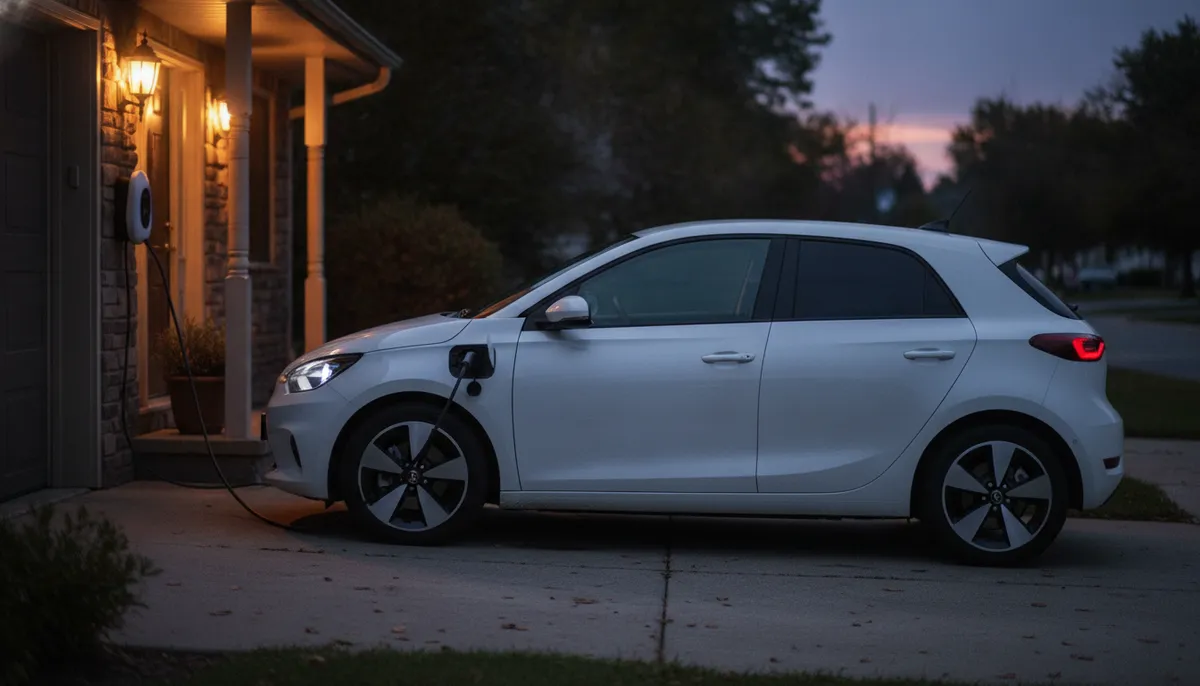
Long-range electric vehicles solve the persistent anxiety of checking battery levels on lonely stretches of highway. The latest high-efficiency models turn cross-country travel into a breeze.
What Counts as Long Range?
How much distance do you actually need for a daily commute? Not much. But the market for long-range EVs isn't about the commute - it's about the three percent of trips where you need to cross state lines without stopping for an hour-long charge at a greasy spoon.
Can Efficiency Beat Battery Size?
Most people assume a bigger battery always equals more miles, yet the reality involves a complex dance between silicon-anode technology, drag coefficients - and heat pump efficiency - factors that allow a svelte luxury sedan from a leading California manufacturer to travel over five hundred miles on a single charge while heavier, less aerodynamic trucks struggle to hit three hundred. This efficiency gap is the real secret.
You see the price tag on these high-end models and wince. It's a massive investment. When you look at the raw materials used in high-nickel cathodes and the specialized cooling systems required to prevent thermal runaway, it becomes clear why a five-hundred-mile range currently adds tens of thousands of dollars to the base sticker price of most premium electric sedans.
500 Miles and the Physics of Wind Flow
Shape is your best friend. A square-fronted SUV has a drag rating that fights the air like a brick, whereas a streamlined sedan from a prominent luxury brand slices through the wind with a rating of 0.20 or lower. This efficiency gap means the sedan uses twenty percent less energy at highway speeds than its boxy counterparts.
Range is only half the battle when you're on the road. Fast-charging speeds matter just as much as how many miles are in the tank. If you can add two hundred miles in fifteen minutes, a three-hundred-mile battery feels like plenty.
Why Battery Temperature Dictates Your Travel Time
Context is key. A study from a major automotive research group found that sub-freezing temperatures can slash battery performance by thirty percent - especially if you're running the heater at full blast, which means your four-hundred-mile winter road trip might actually require two or three charging stops depending on the elevation changes and wind resistance you face along the route.
Imagine standing in a slushy parking lot in mid-January, watching the charger slowly tick upward while your hands go numb. The screen says twelve kilowatts. It's too slow. This is the reality for older models that lack advanced thermal management systems to pre-condition the battery pack before you even pull up to the plug.
How Fast-Charging Changes the Range Equation
You should focus on the charging curve rather than just the peak number provided in the sales brochure. While a car might claim to charge at three hundred kilowatts, most batteries only maintain that speed for a few minutes before tapering down to fifty or sixty to protect the life of the cells, which effectively doubles the time you spend waiting at the station.
According to the Department of Energy and NREL, DC fast charging typically takes between 20 minutes and 1 hour to reach an 80 percent charge. Session times vary with charger power, the vehicle's acceptance rate, the age of the local grid infrastructure, and the number of other drivers sharing the same transformer box.
Matching Range to Your Lifestyle
Is the largest battery always the right choice for your wallet? Probably not. The extra weight of a massive battery pack - often exceeding one thousand pounds in the largest SUVs - actually decreases the efficiency of the vehicle during city driving where frequent stops and starts force the motor to work harder to move that dead weight around.
Which balance do you prefer? More miles or lower cost? For most drivers, a range of three hundred miles represents the sweet spot where you can handle a full day of errands without a second thought, but still benefit from a lighter vehicle that handles better and costs significantly less to insure and maintain over a five-year period.
If you absolutely must have the longest possible range, look for models that use heat pumps and low-rolling-resistance tires as standard equipment rather than optional add-ons. These features can add twenty to thirty miles of "hidden" range that doesn't show up on a spec sheet but makes a massive difference when you're trying to reach the next charger with five percent battery remaining.
You've done the math. The numbers don't lie. Investing in a home charging station - specifically a level two setup that can fill your battery overnight - is often a better use of your money than buying the next tier of battery capacity that you might only use once a year during a holiday road trip.
Pros and Cons of High-Range EVs
Deciding whether to pay the premium for the highest available mileage requires a cold look at your driving habits and budget. While having more distance on a single charge is the ultimate security blanket for long trips, it carries significant trade-offs that many first-time buyers ignore until they see the sticker price. The trade-offs are real.
Pros
Cons
Every driver faces a unique set of circumstances when choosing between standard and extended range options. You may find that the extra weight of an oversized battery negatively impacts handling and tire wear, which adds to the long-term cost of ownership despite the added convenience.
Worth Remembering
Final Take
Modern electric battery technology has finally reached the point where range anxiety is becoming a thing of the past for premium buyers. You should prioritize vehicles with advanced aerodynamics and fast-charging capabilities to ensure your long-distance travel is as seamless as possible. Take the time to research the actual highway efficiency of your favorite models before signing any paperwork. Research from the Department of Energy shows that fuel savings over five years can offset much of that initial battery premium. You might find that the peace of mind offered by an extra hundred miles of range is worth the monthly payment when you consider the time you save at the charger. It makes sense.