You stand at a register staring at a grocery receipt that feels far too high for a Tuesday morning. The thermal paper is already starting to curl where your thumb pressed against the ink, listing three items you didn't even want. Tracking monthly expenses without complex apps prevents the mental drift that happens when software takes over your life. Most people quit budgeting because their tools are just too loud. I have watched this play out in dozens of households where the 'solution' became the problem. You don't need another notification pinging your pocket. You need a moment of quiet with your own data.
Tracking Monthly Expenses Without Complex Apps
Many modern financial tools feel like they require a math degree to even open. You spend more time linking bank accounts, checking for errors, and fighting with logins than you do actually looking at your debt. If you move your data into a simple sheet, you gain a physical, lasting connection to your cash flow that an automated, colorful pie chart simply can't provide. It works. The numbers don't lie when you're the one writing them down.
Simplicity isn't a step backward for your wallet. When you manually type in a thirty dollar charge for lunch, your brain - according to many researchers, registers the loss of that capital far more deeply than it would with a simple, mindless swipe. Thirty dollars matters. You need to feel the weight of every cent that leaves your checkbook. In 2026, the temptation to let an algorithm manage your life is everywhere, but that convenience comes at a steep price for your awareness. You end up spending more because you're looking at the screen less. It's a subtle pitfall that catches even the most disciplined savers. I prefer the friction of the pen.
Why Spreadsheets Beat Every Premium Mobile Subscription
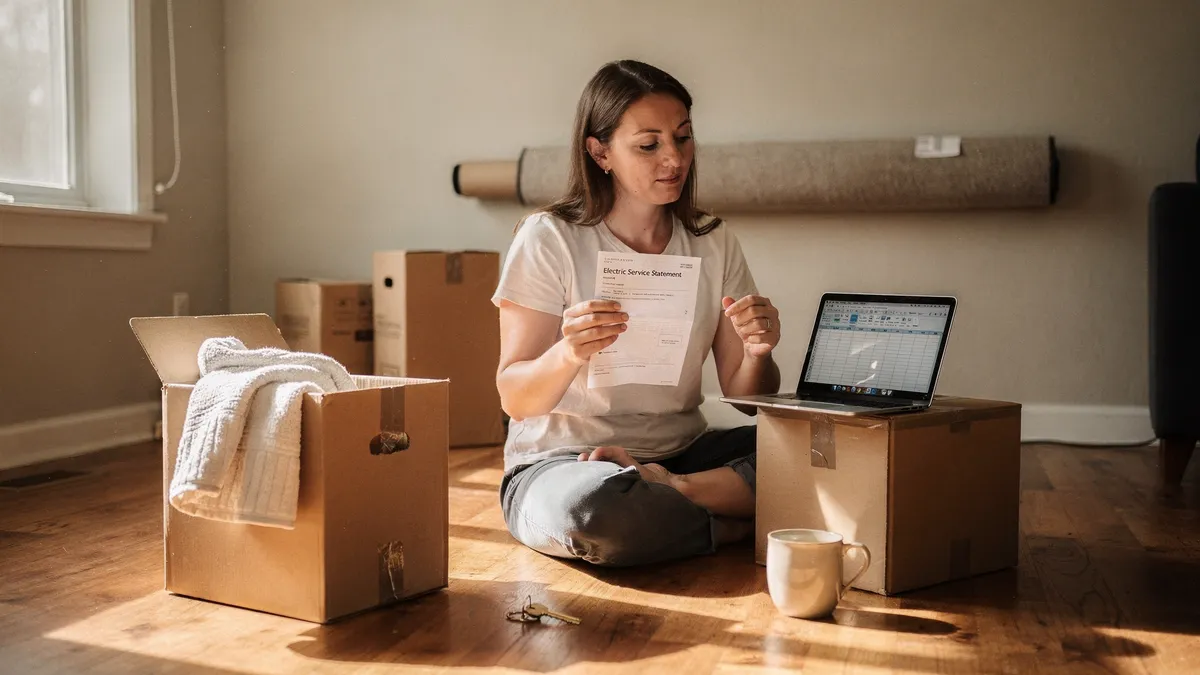
Build a simple grid on your laptop today using three basic columns for the date, the cost, and the category. Financial education research keeps finding that active engagement with your own numbers improves decision-making more than any particular tool. This method puts you back in the driver seat of your own economy. You become the auditor of your own life. This isn't about being "old fashioned." It's about being effective in a world designed to distract you from your own bottom line. The spreadsheet doesn't send you ads for personal loans while you're trying to save for a house.
A simple ledger allows you to categorize spending in ways that make sense for your specific life. Most apps force you into rigid buckets - 'Entertainment' or 'Dining Out' - that don't capture the subtleties of how you actually live. If you spent sixty dollars on craft supplies for a child's birthday, that might be 'Education' to you, or perhaps 'Family Legacy.' When you control the categories, you control the narrative. You aren't just a data point for a software developer in Silicon Valley. You are a person making choices. Those choices deserve a customized view. It's your money.
How Complexity Kills Your Consistent Habits
How many times have you deleted a budgeting tool in frustration? Does a glowing bar graph really help you pay your rent on time? The reality is that the psychological friction of learning a new interface, which is often quite steep, outweighs the benefit of the data - which leads most users to abandon their goals - often within three weeks. Many adults simply stop tracking their money because the process feels like a second job. You don't need a second job. You need a clearer view of the one you already have.
Studies on consumer habits show that the more steps you put between yourself and your records - the less likely you are to ever check them. Why would you pay a monthly fee for a service that makes you want to quit? It's a bizarre cycle of paying for the privilege of failure. In 2026, the "fintech" market is crowded with leading providers who promise to automate your savings, yet the average savings rate continues to struggle. The disconnect is clear. Automation breeds apathy. Apathy leads to overspending. You can break that cycle tonight by closing the browser and opening a notebook.
Simple Tracking Monthly Expenses Without Complex Apps
What happens when you just use a plain notebook instead? You start to see patterns, quirks, and trends that the software usually hides in deep - confusing submenus. By tracking monthly expenses without complex apps, you notice that your small daily habits - like that morning coffee or a snack - add up to hundreds of dollars. I've looked at ledgers from people in every income bracket, and the "leakage" is almost always found in the smallest numbers. Three dollars here. Five dollars there. It adds up to a mortgage payment over a year. You wouldn't leave your front door unlocked, yet you're leaving your digital wallet open to every "convenience" fee that comes along.
The tactile experience of writing helps with memory retention. When you record a purchase, you are forced to relive the transaction. Was it worth it? Did that drive-thru meal actually make you feel better, or was it just a response to a long day at the office? This self-reflection is the foundation of true financial literacy. Software can't tell you how a purchase felt. It can only tell you that it happened. You are the only one who can judge the value of your labor. Stop letting a robot do the judging for you. It's a poor substitute for real thought.
The Power of Manual Awareness
Taking the time to look at every single line item on your bank statement - even the ones that are just small, three dollar fees - helps you realize how much money is leaking out of your life, mostly because of those tiny, hidden subscriptions you forgot to cancel. Line-by-line review is the reliable cure for subscription creep. You can't fix what you don't bother to see with your own eyes. See every cent. Look at the "service fees" that popular devices and platforms sneak into your monthly bill. They're hoping you won't notice. Prove them wrong.
I recall a specific case where a man discovered he was paying for a gym membership in a city he hadn't lived in for three years. The app he used had "auto-categorized" it as a recurring health expense and buried it in a beautiful, useless chart. He didn't see the loss until he sat down with a paper statement and a highlighter. That one discovery paid for a year's worth of actual health expenses. Manual tracking isn't a chore. It's a treasure hunt. You are looking for your own lost money. Every dollar you find is a raise you give yourself. That's a powerful feeling.
Building a Sustainable Path Forward
Imagine sitting at your kitchen table - early on a Sunday night, with a cup of hot coffee and a simple, clear list of what you spent during the last seven days. You feel calm, relaxed, and in control because you know exactly where every dollar went and what you have left - specifically for the weekend. Seven days of data. This isn't a pipe dream. It's what happens when you remove the noise. The table is clear. Your mind is clear. You aren't fighting with a user interface. You are just looking at your life. It's a quiet, powerful ritual that grounds you before the work week begins again.
Simplicity allows you to focus on your wealth, your goals, and your future instead of the tool you use to measure it. You don't need a fancy, cloud based system to tell you that you're overspending on food. Just start with a pen and a piece of paper tonight. The most successful people I know don't have the most complex systems. They have the most consistent ones. Consistency is the enemy of debt. If you can commit to five minutes a day, you can change your entire financial trajectory. It doesn't take much. It just takes you.
Long Term Success Strategies
Many people fear that they will miss out on key features by staying simple. Data from the FINRA Investor Education Foundation's National Financial Capability Study, a large-scale research project that measures how Americans manage their money, indicates that individuals who have a budget or track spending are significantly more likely to have emergency savings and avoid overdrawing accounts, regardless of the specific technology used. Tracking monthly expenses without complex apps is a proven way to build long term security. Secure your future. You don't need 'advanced analytics' to know that saving ten percent of your paycheck is a good idea. You just need to do it.
I've seen people build six-figure emergency funds using nothing but a ten-cent notebook. They weren't lucky. They were just aware. They knew exactly how much was coming in and exactly how much was going out. That clarity is the ultimate "killer feature." When you know where you stand, you don't panic when the car breaks down or the roof leaks. You just look at your sheet, see your balance, and move forward. That peace of mind isn't for sale in the app store. You have to build it yourself. It's the best investment you'll ever make.
You deserve to have a clear view of your financial future every day. Don't let a confusing, heavy user interface stand between you - your retirement, and your long term savings goals. When you choose a method that actually works for your brain, you stop fighting with your phone, start growing your savings, and build a better - more secure life through honest, daily awareness of your cash. The method matters less than the habit. Choose the path of least resistance. Choose the path that lets you see the truth. Start tonight.
The Short Version
The Bottom Line
Simple tracking methods allow you to reclaim control over your money by removing the technical barriers that lead most people to quit budgeting. You build deeper financial awareness when you manually engage with your spending data rather than letting an algorithm hide it behind automation. The sound of a pencil on paper or the click of a spreadsheet key is the sound of you taking charge. It's the sound of a plan coming together. Don't let another month slip by in a fog of automated transactions and "estimated" balances. Start your own basic ledger today and watch your savings grow through the power of pure, honest simplicity. Your future self will thank you for the clarity you create today.