Look, mastering the Best Online Learning Habits for Students in 2026 is frankly impossible when a chaotic home environment and digital interruptions constantly shatter your cognitive focus. Fortunately, setting up physical cues and strict blocks of clock-time a setup that saves many students from total burnout, will help you achieve deep work.
Why Your Sofa Is Killing Your Productivity
You find yourself staring at a flickering cursor while the hum of the refrigerator competes with a distant lawnmower, creating a low-grade sensory friction that makes every paragraph feel like a heavy lift. You check your phone for the fourth time in ten minutes. It's 11:14 in the morning. (We've all been there.)
Move your desk away from your bed to prevent your brain from confusing rest with work. Students who maintain separate zones for sleep and study tend to retain more of what they read, largely because the brain associates specific physical locations with specific mental states. You need that clear line to survive.
3 Rules for Digital Deep Work
Do you think checking your email every twenty minutes counts as actual work? It doesn't, and your grades will eventually reflect that lack of depth. Real progress happens in blocks of 90 minutes - which is the standard timeframe for human focus before cognitive fatigue begins to set in for most adult learners.
Scheduling is where most home-based education plans fall apart. Task switching, the polite name for multitasking, burns through a large share of anyone's productive time. You can't afford that kind of time waste.
Treating your home study hours with the same rigid discipline as a 9-to-5 job - including scheduled breaks, a firm start time, and a hard shutdown at dusk - builds a psychological safety net. It prevents academic burnout from bleeding into your personal life. This separation is really your only defense against chronic stress.
Reclaiming Your Calendar From Distraction
Most students start their day by reacting to notifications instead of executing a plan. The Best Online Learning Habits for Students Studying From Home rely on a "proactive morning" where you tackle your hardest subject before you ever open a social media tab or check your texts. You must own the first hour of your day.
Successful students often use "time blocking" to protect their cognitive resources. While it sounds simple, the act of assigning a specific task to a specific hour prevents the mental drift that occurs when you have "all day" to finish a paper but no clear deadline to start.
The Myth of the All-Day Study Session
If you sit at a screen for six hours without a break - your brain starts to enter a state of diminishing returns where you're reading words but absorbing nothing. The best learners are often those who stick to high-intensity intervals followed by actual rest periods. Efficiency always beats duration.
The human brain simply can't maintain high-level synthesis for eight hours straight. Thirty minutes of intense effort beats three hours of drift.
Why do you insist on pushing through when your eyes are burning and your comprehension has hit a wall? You aren't being a hero; you're being inefficient. A short walk reliably shakes loose ideas that refuse to arrive at a desk. (It works best without headphones.)
Evaluating Remote Learning Strategies
Pros✓Higher retention from environmental triggers.✓Reduced mental fatigue through time blocking.
Cons✗High initial effort to change existing habits.✗Potential for isolation in remote environments.
Hardware Is Less Important Than Habit
Are you spending more time picking out a new monitor than you're actually reading your textbooks? Is the "perfect setup" just another way for you to procrastinate on the hard work of learning? The Best Online Learning Habits for Students Studying From Home are built on the foundation of focus, not on the latest ergonomic chair or a second laptop screen. You only need a quiet corner.
Imagine a workspace where the only items present are your laptop, a notebook, and a single glass of water. You sit down at 9:00 AM sharp. The phone is off.
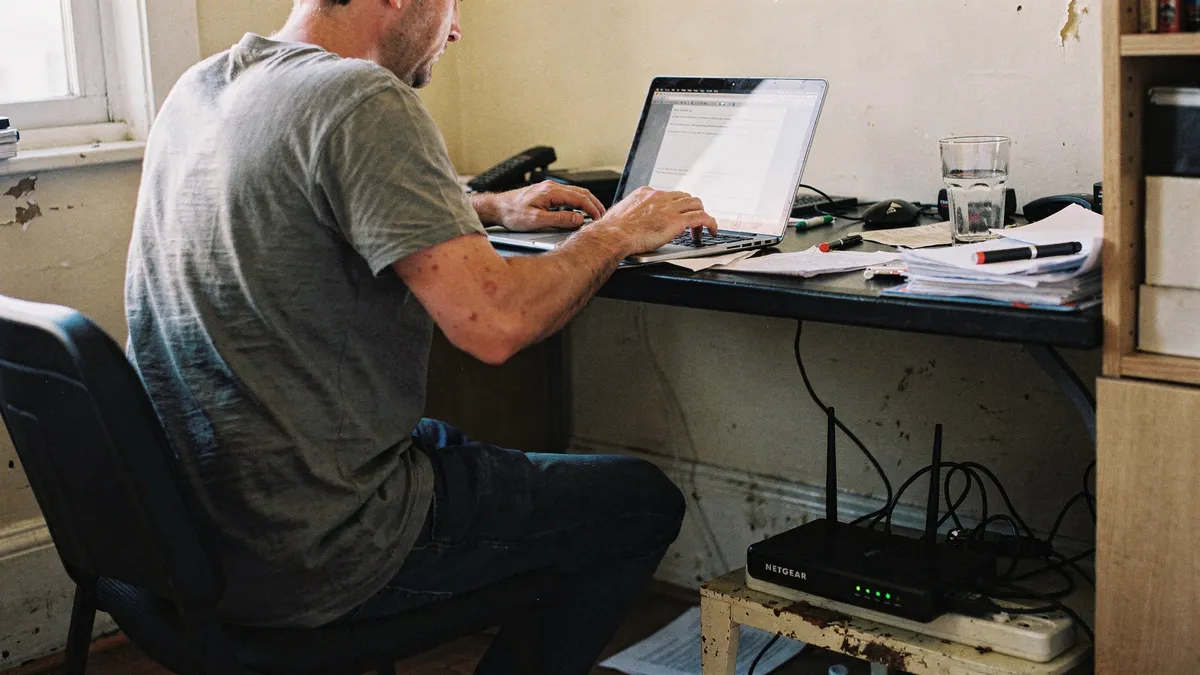
Disable every non-essential notification on your computer to ensure that you're not interrupted by a random news alert or a chat message from a friend. These micro-interruptions - even if they only last five seconds - can take your brain up to twenty minutes to fully recover from as you try to get back into a "flow" state. Control your digital environment or it will control you.
Sustaining Your Focus Over the Semester
How many times have you started a new semester with high energy only to find yourself lagging by week four? Can you honestly say your current routine is sustainable for the next six months? Maintaining the Best Online Learning Habits for Students Studying From Home requires a weekly audit of your progress to ensure you aren't slipping back into lazy habits that will eventually sink your GPA.
The transition from a structured campus to a kitchen table requires a total shift in identity. You're now your own manager. You set the hours.
Set a weekly review every Sunday evening to map out your assignments for the upcoming seven days. Students who map their workload in advance are far more likely to meet deadlines without the "midnight panic" that characterizes the typical undergraduate experience. You must be the architect of your own success.
Is your workspace cluttered with old coffee mugs and random papers? Clean it tonight. A cluttered environment can tax the brain's processing capacity; maintaining an organized workspace is essential for handling the complexities of a modern remote curriculum. Clean space - clear head.
The final piece of the puzzle is accountability, which is often missing when you're studying in isolation. Without a peer group to check in with, you might find yourself slipping into a pattern of "educational theater" where you appear to be working but are actually just scrolling through informational sites. You need a partner.
Step-by-Step Guide for Remote Success
1 Establish a Hard Start Time: Pick a time before 9:00 AM and stick to it every day to build the Best Online Learning Habits for Students Studying From Home through consistency.
2 Execute One Deep Work Block: Dedicate 90 minutes to your most difficult subject without checking your phone or email once.
3 Perform a Sunset Audit: Close your laptop and clear your desk at the end of your study day to signal to your brain that work is over.
Pro Tip: Use a browser extension to block social media sites during your designated "Deep Work" blocks to remove the temptation of a quick scroll that can derail your entire afternoon.
The Takeaway
Mastering your schedule at home is a matter of discipline and environmental control rather than innate intelligence. By separating your living and working zones and adhering to rigid time blocks, you can outperform those in traditional classrooms. Start your 90-minute focus block tomorrow morning and take back control of your education in 2026.