Picture a retiree at a home-office desk, staring at a cruise spreadsheet that refuses to balance. The numbers keep jumping. Finding cruise vacation packages for couples in 2026 is like solving a rigged math problem where variables - hidden port fees and drink costs - shift when you click "book," leaving your wallet lighter than expected. Many travelers end up spending far more than the sticker price, and a "deal" on a balcony suite can carry a delta of thousands of dollars between the advertisement and the checkout screen. It is a common frustration. You shouldn't have to be a forensic accountant to take a vacation.
Cruise Vacation Packages for Couples in 2026
While the glossy brochures promise an escape from reality, the industry's own earnings reports make clear that "nickel and diming" is now a structural pillar of profit margins in a post-inflationary world. Is your romantic getaway actually funding a corporate recovery plan instead of your own relaxation? Leisure travel costs have been outpacing core inflation for years. This means your dollar dies a little faster on the gangway. You are essentially paying a premium for the privilege of being sold more upgrades.
Does the advertised price include basic internet access? Will you pay extra for the "premium" steakhouse that replaced the once-standard dining room service? Onboard spending has risen steadily year after year, a trend that essentially turns your cabin door into a toll booth for every luxury you thought was included in the base fare. Most of these charges are buried in the terms of service that you likely scrolled past in seconds. One hundred dollars here and there adds up to a ruined budget.
The Invisible Hand of Dynamic Yield Management
Consumer complaints about volatile cruise pricing have spiked. Cruise lines now use sophisticated software to adjust rates in real-time. You might see a price for a suite during your morning coffee that vanishes by the time you finish your lunch. This is not a glitch. It is a deliberate strategy to create a sense of urgency. Pricing software reacts to demand signals in real time. If you wait, you often lose. But if you jump too early without checking the refund policy, you might be stuck with a high rate while your neighbor on Deck 10 paid half as much for the same view. You need to verify if your chosen cruise vacation packages for couples in 2026 offer a price-drop guarantee.
Why The Cheapest Itineraries Often Cost More
You might be tempted by the lower base rates of Caribbean loops. The actual cost of a seven-day eastern Caribbean trip typically involves an additional three hundred dollars per person in mandatory gratuities and port taxes, and those hidden costs can approach a fifth of the total bill. They call them taxes, but they often include administrative fees that stay with the cruise line. You are subsidizing their operational overhead. It is a bitter pill to swallow when you thought you were getting a bargain.
Imagine standing on a crowded deck in the humid heat while realization sinks in that the "complimentary" juice bar charges six dollars for anything not coming from a plastic jug. You watch other couples swipe their plastic keycards for every latte and lounge chair upgrade with a look of resigned defeat. One hundred dollars gone. This is the reality of the modern "budget" voyage. Your initial savings are quickly eroded by the reality of a ship that is designed to extract cash at every corner. You should plan for these leaks before you ever leave the pier.
Port Fees Keep Climbing
Port fees keep climbing in popular Mediterranean hubs. Local governments are taxing the surge in tourism to fund infrastructure repairs. This cost is passed to you. Many of these ports, particularly in Italy and Greece, are struggling with the sheer volume of visitors. They are using your ticket price to fix the very piers you walk on. It is a necessary evil, perhaps, but it is rarely explained clearly in the booking process. You just see a higher "government fees" line item. This is why a romantic 2026 couples cruise through the Greek Isles feels significantly more expensive than a similar trip just two years ago.
Hidden Environmental Compliance Levies
New regulations from the International Maritime Organization, a United Nations agency based in London, have introduced strict carbon emission standards for ships operating in 2026. These rules require cleaner fuels and advanced filtration systems. You might think the companies would absorb these costs as part of doing business. They don't. These expenses are frequently bundled into "fuel surcharges" or "environmental fees" that appear after you have already selected your cabin. Passenger contracts keep getting longer, and these costs hide in the legalese. You have to be vigilant.
Mastering The Logic of 2026 Cruise Vacation Packages for Couples
Timing your deposit is everything. Booking a year or more in advance typically beats the "last-minute" deals most people chase, and the sweet spot for 2026 departures is now, not later. You should prioritize itineraries that include alcoholic beverages and high-speed Wi-Fi in the base price to avoid the mental fatigue of tracking every single transaction while you're supposed to be watching the sunset. It is about peace of mind. If you spend your whole trip doing math, you aren't actually on vacation.
The Connectivity Monopoly at Sea
Internet access was once a luxury, but now it is a requirement for many couples who need to check in with family or work. The cost for high-speed satellite connectivity on a ship can now exceed what you pay for a month of service at home. Most lines charge per device. If you and your partner both want to be online, you might be looking at thirty dollars a day. That is two hundred dollars for a week. You are paying for the convenience of staying connected in the middle of the ocean, but the markup is staggering. Some lines are now including basic messaging as a perk, but for anything more, you will be reaching for your credit card. You must audit these connectivity tiers before you board.
Small Ships vs. Mega-Liners for Romance
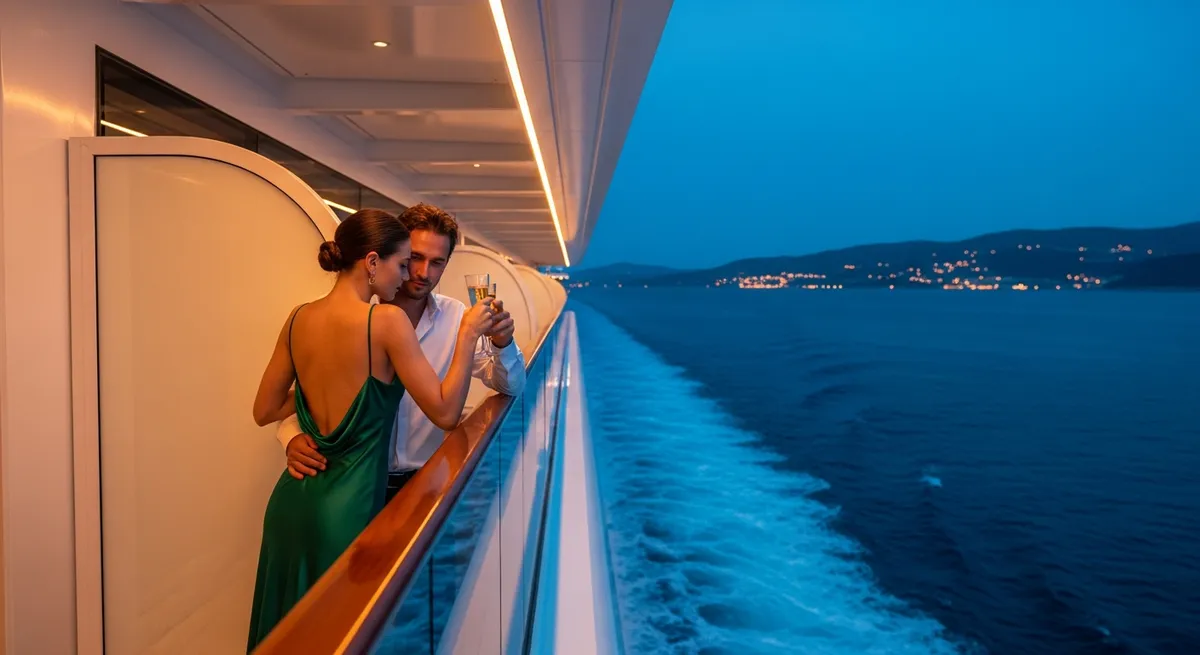
Larger vessels offer more distractions - but they also come with longer lines for every meal and excursion. If you choose a ship with more than four thousand passengers, your "private" balcony might actually look directly into a neighboring suite or a noisy public walkway - a design flaw that ruins the peace you paid for. Complaints about cabin privacy and noise cluster on ships that prioritize density over design, making the smaller, more expensive luxury lines a better mathematical bet for actual intimacy. You get what you pay for. In this case, you are paying for the absence of four thousand other people. Smaller ships also get you into smaller ports that the giants can't reach. It is a more personal experience.
Are you willing to skip the summer rush for a winter voyage? Rates drop sharply in the off-season. You will find that the exact same stateroom, with the same service and the same food - costs significantly less if you're willing to wear a light jacket while walking on the deck in November. The Mediterranean is beautiful in the fall. The crowds are gone, and the prices are human. You can actually see the monuments without a sea of selfie sticks in your way. It is a trade-off that many savvy couples are making to keep their 2026 travel budgets intact.
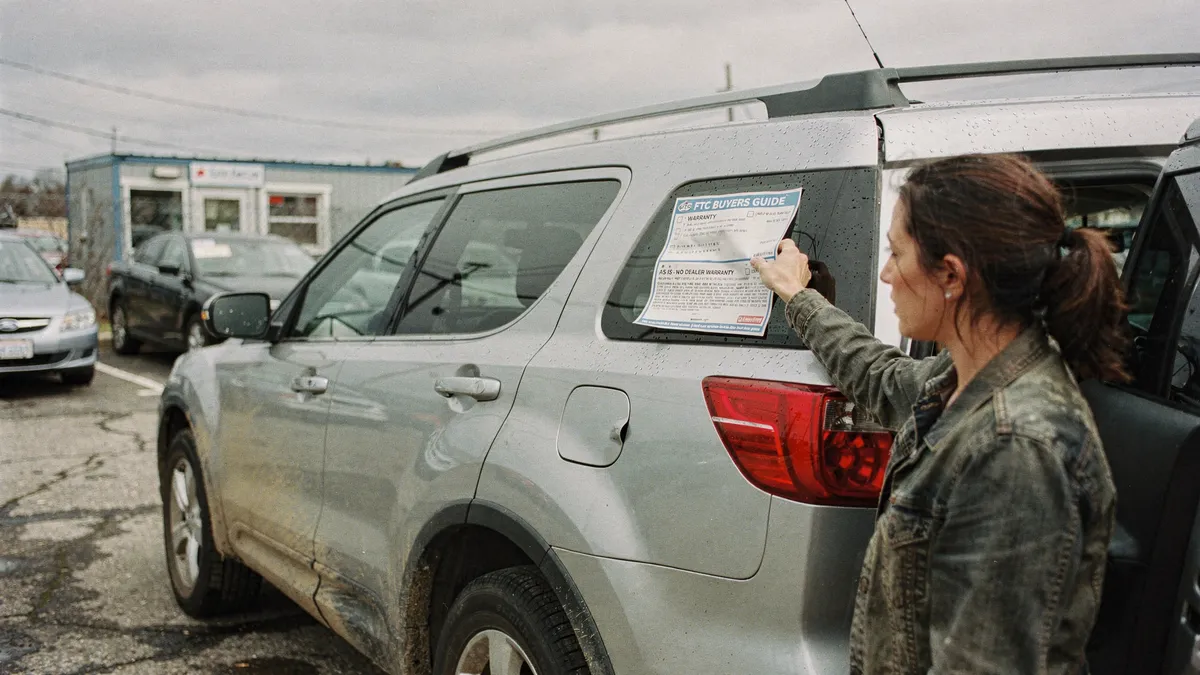
Audit your booking confirmation for "automatic" add-ons that you didn't specifically request during the checkout process. Many automated systems now opt you into "travel protection" and "pre-paid tips" by default - a practice that can add five hundred dollars to a couple's bill before they even pack a suitcase - so you must verify every line item with a cynical eye. This vigilance is your best defense. If you see a fee you don't recognize, ask. You have the right to know exactly what you are paying for before you authorize the transaction. Regulators have warned that these "dark patterns" in digital checkouts are becoming more common in the travel industry.
Medical Logistics and Unexpected Invoices
Health and safety are paramount, but they come with a price tag that is rarely discussed. The CDC, the national public health agency based in Atlanta, requires ships to maintain medical facilities and follow strict sanitary protocols. These clinics are private entities. If you experience sea-sickness or a minor injury, a single visit to the onboard doctor can cost several hundred dollars before any treatment is even started. Most domestic health insurance plans do not cover medical care in international waters. You will likely have to pay the full bill upfront and fight for reimbursement later. You should check if your cruise vacation packages for couples in 2026 offer a specialized medical protection plan. It is a small price to pay to avoid a five-thousand-dollar invoice for a twisted ankle.
Evaluating Adult-Only vs. Family Friendly Deals
Choosing an adults-only line often feels like paying a premium just to avoid the sound of splashing at the pool - but the data suggests these ships actually offer better value because they eliminate the massive overhead of kid-focused infrastructure - like water parks and arcade rooms - that you would otherwise be subsidizing through your ticket price. You trade the noise for better gin. The lack of secondary dining fees and the inclusion of higher-quality standard meals means that your total voyage cost often ends up lower than a "budget" family ship once you add up the extras. You aren't paying for the daycare you don't use. It is a cleaner financial model for couples who want a sophisticated environment. You will find that the service is often more attentive because the crew isn't managing five hundred toddlers.
Before You Book
- Verify that your cruise vacation packages for couples in 2026 include port fees and gratuities so the final bill cannot ambush you.
- Book far in advance, a year or more, to beat last-minute pricing on high-demand romantic itineraries.
- Consider adults-only lines to avoid subsidizing kid-focused amenities you won't use during your trip.
- Audit every automated add-on during the digital checkout to prevent unnecessary insurance or tip charges.
Who Controls the Bill
Securing value for cruise vacation packages for couples in 2026 requires looking past the glossy advertising and auditing the fine print for hidden surcharges. Prioritize smaller luxury vessels or adults-only lines that bundle Wi-Fi and drinks into the base fare to maintain your budget. Don't let "last-minute" marketing distract you from the significant savings found in early booking cycles. You have to be the one in control of your finances. The cruise line's job is to maximize their revenue, but your job is to maximize your relaxation. Those two goals are often in conflict. By doing the research now, you ensure that your 2026 getaway is a memory you cherish rather than a bill you regret.