Trying to keep your home organized with minimal effort feels like fighting a daily war against the ads, the bills, and the junk mail that pour in every week. It's a logistical failure.
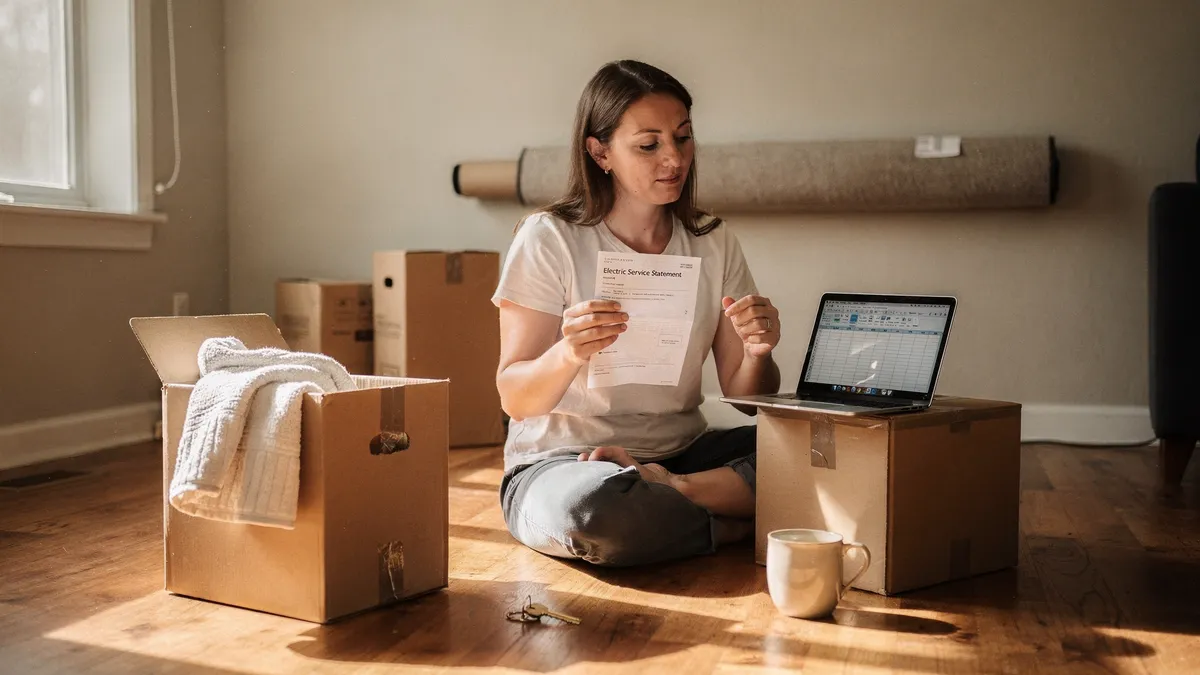
I have spent years studying the logistics of the modern American home, and the numbers are not encouraging. Most of the mail entering your house consists of glossy flyers, credit card offers, and catalogs you never requested. This stream of paper creates a permanent state of decision-making friction. You have to stop the flow before it reaches your table. Most people lose the battle because they wait until the mail is already sitting on the kitchen counter.
Start To Keep Your Home Organized With Minimal Effort
Most systems fail because they demand you spend four hours every Saturday sorting through a plastic graveyard of storage tubs that cost $20 apiece at the local big-box store. Most of those systems fail within weeks. Why buy more bins?
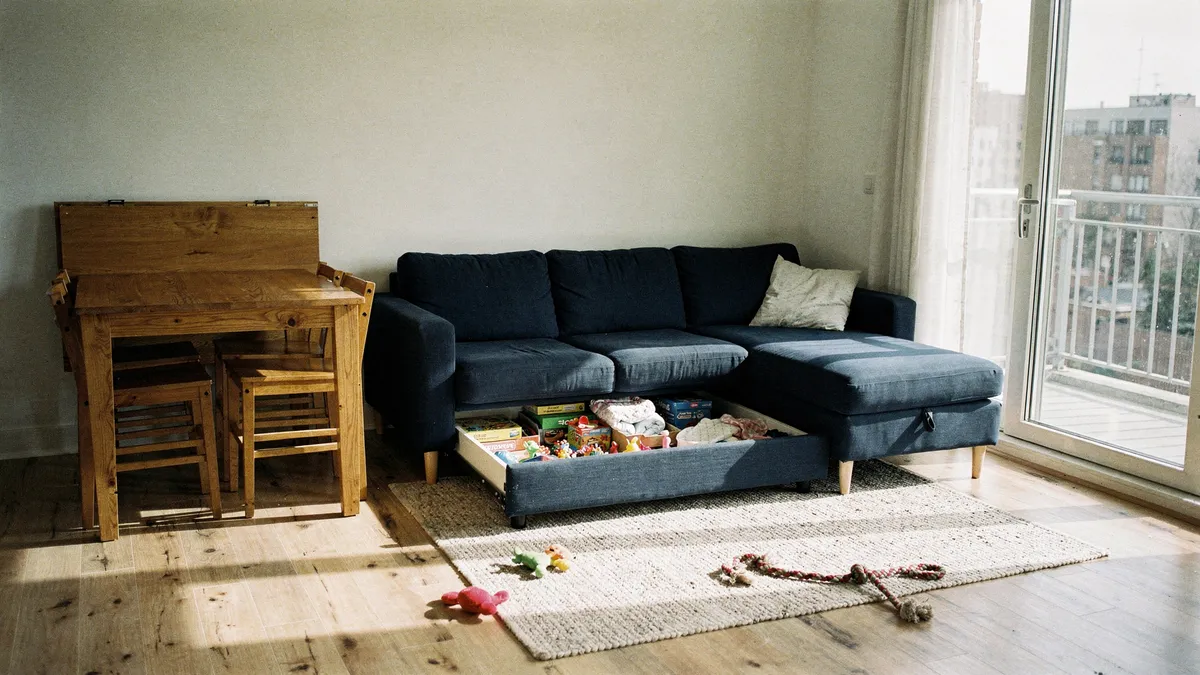
How much does your clutter cost? Probably more than you think. Researchers at UCLA discovered that managing a high volume of possessions - especially in common areas like the kitchen or living room - triggers a significant spike in cortisol levels for women.
The Physics Of Clutter Density
Organization isn't about aesthetic perfection. It's a mathematical calculation of your available surfaces versus the sheer volume of objects you allow to cross the threshold of your front door every day. One frequently cited estimate puts the average American home at around 300,000 items, which means you're essentially managing a small warehouse without a staff or a digital tracking system. This creates a massive cognitive load.
I noticed this pattern last month while reviewing psychological data on living spaces. When your environment is saturated with objects, your brain is constantly scanning them, even if you do not realize it. The sheer density of items in a standard suburban home has grown enormously since the 1970s. You are trying to run modern software on ancient hardware. The physical weight of these 300,000 items is a real burden on your mental health. Every object is a silent demand for your attention.
The air in a crowded room feels heavy with the physical weight of unmade decisions. You look at a stack of magazines and see a dozen articles you might read - but you also see a dozen failures to act. Ten minutes is all it takes.
Clutter doesn't just occupy space in your hallway. It occupies space in your brain. You deserve a house that functions as a tool for your life rather than a monument to your past shopping habits. Focus on the data of your floor space.
One-Touch Systems and Flow Control
Do you know why your kitchen counter is always a disaster? Do you realize that every time you set a piece of mail down to "deal with later," you're actually doubling the amount of work required to process that single item? The "one-touch rule" is a data-driven approach that mandates you either file, trash, or act upon an object the moment it enters your hand, preventing the time you lose to task switching and re-evaluation.
Think about your kitchen counter as a landing strip for a busy airport. If a plane lands and just sits on the runway, no other planes can land safely. Your mail, your keys, and your sunglasses are those planes. If you do not move them to their final destination immediately, you create a bottleneck. This bottleneck affects every other part of your evening. Move them now. Clear the runway. This simple discipline prevents the clutter from ever starting. It is the secret to a clean house.
Think about your entry point. A simple tray can catch the keys and the wallet - but it won't stop the flow of paper on its own. You must build a gatekeeper system that stops the trash at the door. One hundred percent of junk mail should hit the recycling bin before it ever touches a table.
High-Efficiency Habit Stacking
Efficiency experts often talk about "habit stacking," a concept where you anchor a new organizational behavior to an existing routine - like clearing the dishwasher while the morning coffee brews or wiping the bathroom sink while you brush your teeth. The Princeton University Neuroscience Institute found that a cluttered visual environment restricts your ability to focus, meaning that small, 60-second bursts of maintenance genuinely make it easier to focus.
Efficiency experts call this 'greasing the wheels.' By attaching a small chore to an action you already perform, you eliminate the need for willpower. You do not have to decide to clean the sink because it is just what you do while you brush your teeth. I have seen this simple shift save people hours of deep cleaning every month. It turns a mountain of work into a series of tiny, manageable molehills. You barely notice the effort, but you definitely notice the results.
Stop Managing Trash
The most effective way to keep your home organized with minimal effort is to stop owning things that require your attention. If you haven't touched an object in 12 months, you are very unlikely to need it in the next 12. You're spending your life's energy cleaning and moving items that do nothing but take up your expensive square footage. Calculate the rent your clutter is charging you. It's far too high.
I often tell people that their hallway isn't just a hallway; it's a high-rent storage facility they're paying for with their sanity. I pulled the latest housing statistics, and the average price per square foot in many American cities is now north of $200. If a box of old college textbooks occupies four square feet of your floor, that box is effectively renting $800 worth of your home. Stop paying rent for things you no longer love.
The Three-Second Reset Guide
1 Establish an Entry Zone - Install a single basket for mail and a dedicated hook for keys near the door. Process all paper immediately.
2 The Five-Minute Nightly Sweep - Set a timer for 300 seconds before bed. Return all items in the living room to their designated homes.
3 Implement the One-In, One-Out Rule - For every new item that enters your house, one existing item must be donated or recycled to maintain balance.
Pro Tip: Don't put it down - put it away. By eliminating the middle step of "setting things aside," you remove the primary cause of household clutter and keep your home organized with minimal effort.
The Takeaway
You can't organize your way out of a possession problem, so the first step must always be to reduce the total count of items in your environment. Once you lower the inventory, keeping your home organized becomes a series of automated, 60-second habits rather than a grueling weekend chore. Audit your spaces today and reclaim your time.