Home air quality upgrades have become increasingly important as updated air quality standards highlight the risks of indoor pollutant exposure. Microscopic particles and airborne chemicals can accumulate inside sealed environments, affecting respiratory health over time. Modern homes, while energy efficient, can trap pollutants without proper ventilation and filtration systems. Understanding how indoor air quality works and what upgrades are available can help reduce exposure and support healthier living conditions. Read the guide below to explore practical solutions for improving indoor air quality in your home.
Federal Standards for Home Air Quality Upgrades
Why should you worry about microscopic dust that you can't even see? Does the government really expect your old HVAC system to handle these updated 2024 particulate standards without any professional help? The EPA, a federal agency tasked with protecting human health, reduced the annual PM2.5 limit from 12 micrograms to 9 per cubic meter because data shows even low-level exposure triggers chronic respiratory issues for millions of Americans. This shift represents a 25 percent reduction in allowed levels, reflecting a growing consensus that particulate matter is more dangerous at lower concentrations than we previously believed. You might think your zip code is safe, but air currents don't respect municipal boundaries, and smog from a hundred miles away can settle right in your living room.
You probably spent thousands to seal your home for energy efficiency. The Department of Energy - an executive department of the U.S. government based in D.C., reports that while tight sealing cuts heating bills by 15 percent, it simultaneously risks VOCs and radon being held inside your living space at levels up to five times higher than what you breathe outdoors. Stagnant air kills your health. I've looked at the reports from energy audits in the Midwest where homes were sealed so tightly that the residents were essentially breathing their own carbon dioxide in concentrations that would make a coal miner nervous. It's a classic trade-off: you save money on your gas bill but pay for it with your lung capacity. When you consider air quality upgrades, you have to look at the house as a living, breathing organism that needs a constant intake of fresh, clean air to survive.
The Counterintuitive Risk of Modern Sealing
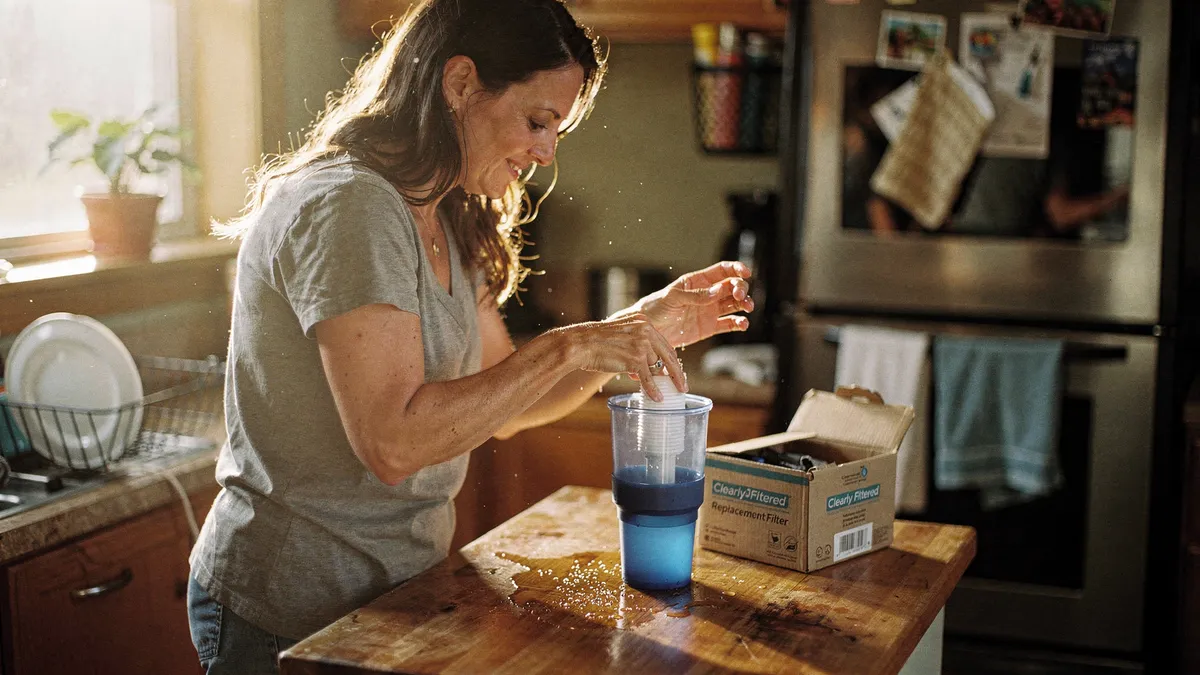
Are you currently using those cheap fiberglass filters from the grocery store? They don't work. The American Lung Association, a non-profit organization focused on lung health, suggests that only HEPA filters or MERV 13 rated systems can capture the 0.3-micron particles that cause the most damage to your deep lung tissue. Those blue filters you buy in the four-pack are designed to protect the blower motor of your furnace from large hairballs, not to protect your family from the microscopic combustion byproducts of a nearby interstate. If you can see through the filter when you hold it up to a light bulb, it isn't doing anything for your blood-oxygen levels. You're effectively throwing your money away while inviting fine dust to settle in your carpets and your bloodstream.
You need a plan. Improving your air involves more than just a filter swap - as true respiratory health requires mechanical ventilation systems like ERVs that exchange stale indoor air for fresh, filtered outdoor air without losing your expensive climate control. ASHRAE, a global society focused on building systems, recommends at least 0.35 air changes per hour for residential spaces to keep carbon dioxide levels below 1,000 parts per million. An Energy Recovery Ventilator, or ERV, is the secret weapon of modern home design because it allows you to bring in outside air while using the temperature of the outgoing air to "pre-condition" the incoming stream. It's efficient. It's quiet. And most importantly, it ensures that you aren't just recirculating the same pet dander and skin cells for six months out of the year.
I have seen homeowners spend $15,000 on a new kitchen only to ignore the $500 ventilation fix that would actually improve their daily life. We focus on the things we can see, like granite countertops and stainless steel appliances, while ignoring the invisible soup of chemicals we inhale every night. The reality is that your house is off-gassing constantly. Formaldehyde from your flooring, flame retardants from your mattress, and even the "fresh" scent of your laundry detergent are all contributing to a chemical load that your body has to process. Without a proper mechanical ventilation system, your lungs are doing the work that a machine should be doing. That isn't a fair deal for your health or your family's future.
Filtering Out the Medical Grade Myths
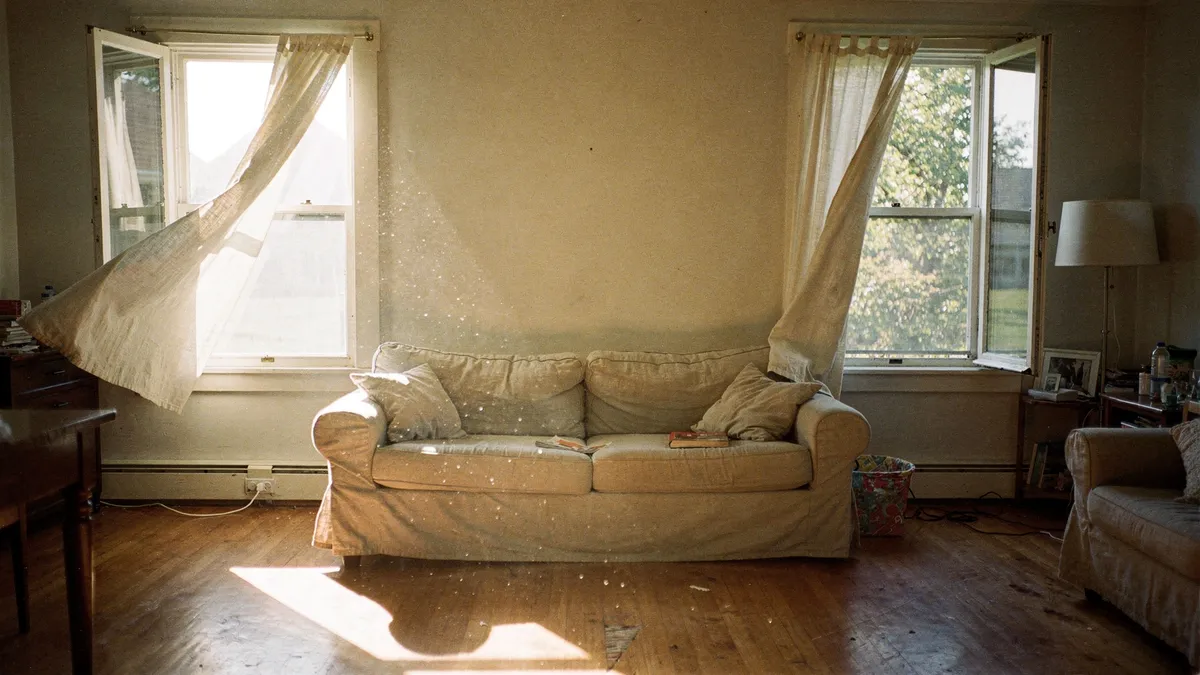
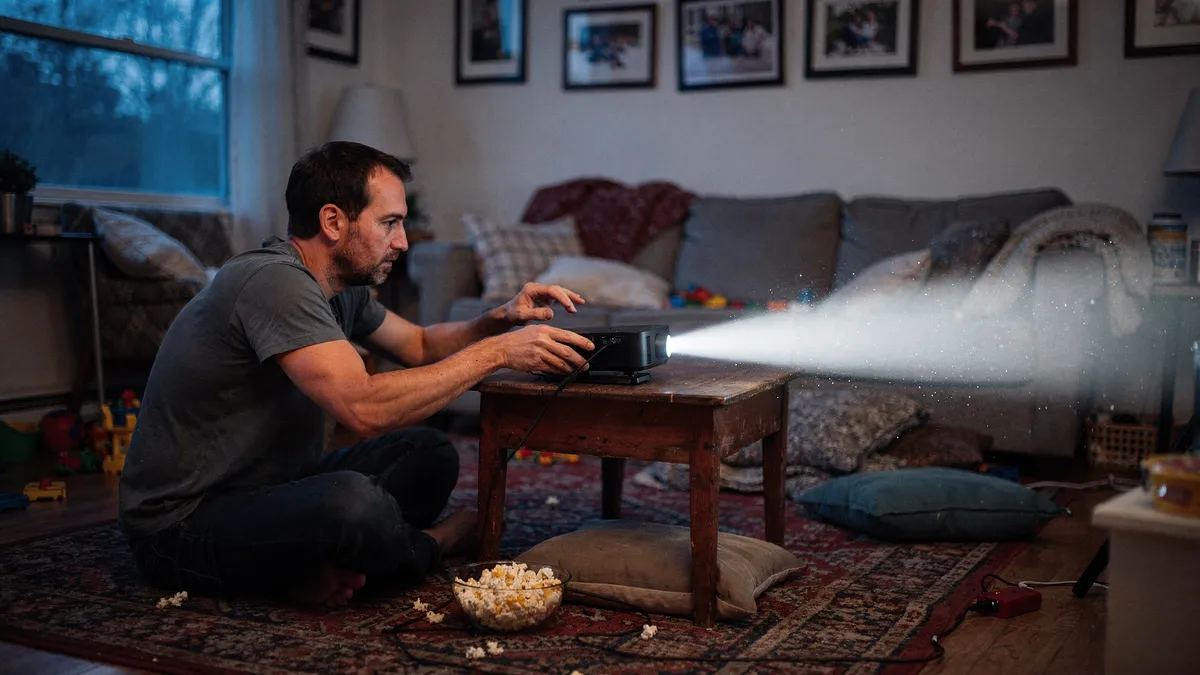
Imagine a beam of sunlight hitting your living room rug and revealing a thick - swirling cloud of skin cells, pet dander, and microscopic soot that never actually settles because your current fan just pushes it around in circles. Your eyes start to itch. Three microns wide. That's the size of a typical particle that triggers an allergic reaction, yet most standard home filters let them pass through like pebbles through a chain-link fence. You think you're cleaning the air, but you're really just rearranging the pollution. This is why the 2024 EPA standards are so vital; they force us to confront the fact that our current infrastructure is inadequate for the particulates we now face daily.
Maintaining relative humidity between 30 and 50 percent - which the Mayo Clinic, a top-ranked non-profit academic medical center, identifies as the "sweet spot" for preventing both mold growth and the survival of airborne viruses - requires a whole-house steam humidifier integrated directly into your existing ductwork rather than a small portable unit that only covers one room. This setup changes everything. When the air gets too dry, your mucus membranes crack, and you become a walking target for every virus that enters your space. When it's too humid, you're growing a science experiment in your drywall. You need a system that monitors these levels in real-time and adjusts without you having to touch a dial or fill a water tank every morning.
Practical Steps for Home Air Quality Upgrades
Sensors have limits. A $200 laser counter might show you a "green" light today - but it often misses the ultra-fine particles from gas stoves that published research links to a roughly 40 percent increase in childhood asthma risk. You need better data. Most consumer-grade monitors use a simple light-scattering technique that can't distinguish between a harmless water droplet and a toxic bit of nitrogen dioxide. To truly protect your space, you should look for monitors that use electrochemical sensors for gases and higher-end laser counters for particulates. It's an investment in your own peace of mind.
Is your kitchen fan actually vented to the outside, or does it just blow grease and nitrogen dioxide back into your face while you cook dinner? It likely fails. Most residential range hoods don't meet the 100 cubic feet per minute airflow requirement necessary to clear the carcinogens produced during high-heat frying or gas combustion. If your fan makes a lot of noise but doesn't actually pull a piece of paper up against the vent, you aren't getting the airflow you need. You're just making noise while your indoor air quality plummets. Upgrading to a high-capacity, externally vented hood is one of the single most effective air quality upgrades you can make, especially if you cook with gas daily.
You should check your MERV rating today. Most standard blowers in older furnaces can only handle a MERV 8 filter before the static pressure becomes too high and risks burning out the motor - a repair that typically costs between $600 and $1,200 depending on your local labor rates. These motors are fragile. If you want to jump to a MERV 13 or 16, you usually need a professional to install a wider filter cabinet - often four to five inches deep - which allows for more surface area and better airflow. This modification ensures you get hospital-grade filtration without putting a death sentence on your HVAC equipment. I've seen too many people try to save a buck by squeezing a high-rated thin filter into a standard slot, only to find themselves without heat on a ten-degree night because the blower motor gave up the ghost.
Optimizing Flow to Protect Your Lungs
The average American spends 90 percent of their time indoors where the concentrations of some pollutants are often two to five times higher than typical outdoor concentrations. Investing in air quality upgrades means treating your house like a controlled environment, because the outdoor air is increasingly unpredictable and full of wildfire smoke and industrial runoff. Protection is a choice. You can't control the forest fires in Canada or the chemical plant three counties away, but you have absolute authority over the four walls you sleep in. That authority comes with the responsibility of maintenance.
I often tell clients that if you can't measure it, you can't fix it. The first step in your upgrade journey shouldn't be buying a fancy air purifier from a late-night infomercial. It should be a professional air quality audit. A pro will use calibrated equipment to find the hidden leaks in your ductwork where attic dust is being sucked into your bedrooms. They can tell you exactly what your PM2.5 levels are and whether your humidity is inviting mold to take root in your insulation. Once you have the data, you can make targeted improvements that actually move the needle on your health rather than just guessing and hoping for the best. Your lungs are too important for guesswork.
Air Quality Essentials
Breathe Better
Modern indoor environments require active management to stay below the new federal particulate safety thresholds. Your respiratory health depends on a combination of medical-grade filtration and balanced mechanical ventilation that older homes simply don't provide. Upgrade your system now to ensure the air you breathe is as clean as the air in a clinical setting. Don't wait for a cough to become a chronic condition before you take the quality of your indoor environment seriously. The tools are available, the standards have been set, and the only thing left is for you to take the first step toward a cleaner, healthier home. Your future self, and your lungs, will thank you for it.