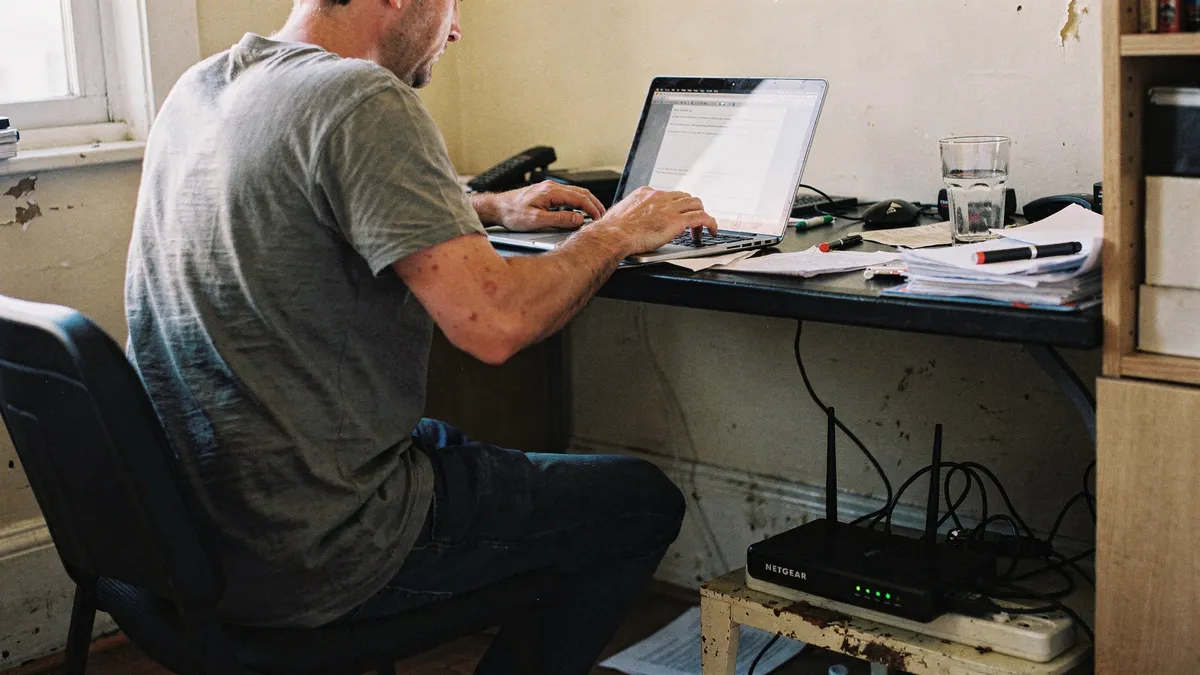
Sleep researchers keep landing on the same conclusion: proper sleep drives daily productivity and mood, and skipping rest triggers a sharp drop in cognitive function. Your performance suffers immediately after just one short night.
How Proper Sleep Affects Daily Productivity and Mood
You need to understand how your brain handles biological waste. This glymphatic system acts as a nightly cleaning crew for your neurons. If you interrupt this cycle by staying up late to answer emails, you wake up with a chemical fog that makes every simple task feel like you're climbing a mountain in a heavy rain storm.
Rest loss causes your body to go into a defensive survival mode. Endocrinology research shows that missing even one night of sleep sends your evening cortisol levels sharply higher, a stress response similar to what the body mounts under serious pressure. This makes your next workday nearly impossible.
When you're tired, the link between your emotional center and the part of your brain that handles logic - the prefrontal cortex - becomes unstable and prone to failure. One bad night. Why does your mood crash when you skip rest?
The True Financial Cost of Your Exhaustion
How much does a lack of rest cost your career? Does your work quality slip when you're tired? The RAND Corporation has estimated that insufficient sleep costs the United States economy up to 411 billion dollars every year because of missed deadlines - human error, and the slow pace of workers who are too tired to focus.
Lower the temperature in your bedroom to around sixty-five degrees. This specific cooling of your core body temperature - a requirement that the Centers for Disease Control and Prevention highlights as a key part of sleep hygiene - triggers the release of melatonin and helps you reach deep sleep cycles much faster than you would in a warm room. It's a simple physiological switch.
Why the First Hour of Your Day is Wrong
Imagine walking into your office after four hours of rest with your heart racing and your hands shaking slightly from the four cups of coffee you drank just to feel human again. You sit at your desk and stare at an email for twenty minutes. Your head feels very heavy.
The human biological clock - a system that researchers in Oregon have studied for decades - regulates nearly every hormonal shift in your body, but it's easily broken by the blue light from your smartphone or the high caffeine intake that most office workers use to stay awake through a long afternoon. You can't outrun your biology for very long.
Your mood is a direct reflection of your brain health. Sleep researchers consistently find that people who sleep six hours or less are far more likely to report feeling overwhelmed by simple tasks than those who get a full eight hours. This gap explains why small problems feel like disasters when you're exhausted.
Can you really catch up on rest during the weekend? Most research says no. The brain doesn't work like a bank account where you can deposit hours on a Saturday to pay off a debt from Tuesday, so you must aim for consistency instead of high-volume binging.
The Brain Cleaning Cycle You Can't Skip
Your brain cells shrink during sleep to allow fluid to wash away toxins. This physical process removes a protein called amyloid-beta that researchers link to long-term memory loss and brain fog. You need seven hours to finish the job.
The logic part of your brain shuts down first when you stay awake too long. Your ability to solve problems drops steeply after eighteen hours of being awake. This decline makes you feel like you're working hard while you're actually just spinning your wheels on tasks that should take five minutes.
Proper sleep affects daily productivity and mood by keeping your amygdala in check. Imaging studies show that a tired brain is markedly more reactive to negative stimuli, which means a small critique from your boss can feel like a direct attack on your character when you haven't slept. You become very defensive.
High performers often brag about how little they sleep to get ahead. Is it worth the damage? Study after study shows that people who sleep less than five hours have the same reaction time as someone who is legally drunk. This level of impairment makes you a danger to yourself and your coworkers.
Three Ways to Fix Your Internal Clock
Should you change your morning routine? Would you feel better if you walked outside at 8 AM? The fastest way to reset your brain is to get ten minutes of natural sunlight in your eyes as soon as you wake up because this signal tells your body to stop producing sleep hormones and start burning energy.
Put your phone in a different room thirty minutes before you plan to sleep. This simple act removes the blue light that tricks your brain into thinking it's still noon. You will fall asleep faster.
The quiet room in your house is the most important tool for your career success. You can hear the hum of the fridge or the sound of traffic when you're trying to rest. Silence is very key.
The metabolic system - which handles how your body uses sugar and stores fat - is tied directly to your rest cycles - meaning that a week of poor sleep can make your body look pre-diabetic in a lab test because your cells stop responding to insulin in a normal way. You will feel hungry constantly.
Stop drinking coffee after 2 PM. Caffeine has a half-life of six hours. If you drink a cup at 4 PM, half of that drug is still in your brain at 10 PM. You can't sleep deeply.
Why Hybrid Workers Struggle Most
Do you work from your bed? Is your desk in your bedroom? Working in the same space where you sleep confuses your brain and makes it harder to switch off at night. Separation is a requirement for health.
Your body needs a predictable routine to function at its peak. People who keep the same wake-up time every day consistently report better moods than those who vary their schedule by two hours or more. This consistency builds mental resilience.
The heart rate of a tired person often runs noticeably faster than a rested person's. This constant physical strain leads to burnout. You must slow down.
A short nap can save your afternoon. Research shows that a twenty-minute nap measurably improves focus without causing the grogginess that comes from sleeping too long. This is a quick win.
The data is clear. Why do you keep ignoring your need for rest? Proper sleep affects daily productivity and mood more than any app, any coffee, or any new management hack you can buy. Your brain needs to rest tonight.
Nightly Performance Protocol
1 Lower Your Core Temperature - Set your bedroom thermostat to 65 degrees to trigger natural melatonin release and signal your brain that the workday is over.
2 Establish a Digital Sunset - Disconnect from all screens sixty minutes before bed to stop blue light from suppressing your nightly repair cycles.
3 Prioritize Morning Sun - Expose your eyes to natural sunlight for ten minutes before 9 AM to lock in your circadian rhythm for the next 24 hours.
Pro Tip: Try the "2 PM Rule" for caffeine. Since caffeine stays in your system for up to twelve hours, cutting it off by mid-afternoon ensures your brain can enter deep, restorative sleep by 10 PM without chemical interference.
Tonight Is the Fix
Modern science proves that missing rest destroys your ability to stay calm and focus on complex tasks. You can't cheat your biology with extra coffee or weekend naps without facing a sharp drop in your career performance and health. Start your recovery tonight by turning off your phone and cooling your room to sixty-five degrees.