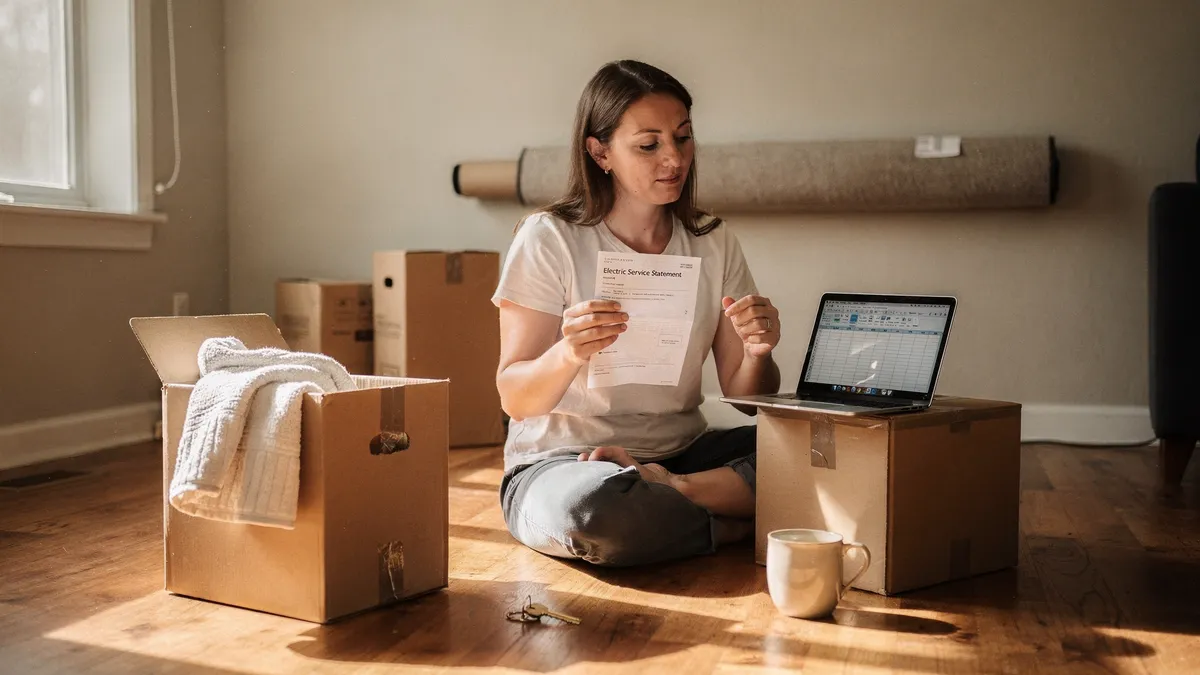
Imagine opening your phone to see a $300 electric bill while your empty house stays chilled at sixty degrees. It's an expensive, time-consuming burden. In 2026, transitioning to automated hubs offers you a streamlined way to slash those utility bills. You don't have to keep wasting cash. The logic is simple.
I have watched this market evolve from clunky prototypes to the seamless systems you see in most hardware stores today. The shift is real. It's happening now. You can see it in the data from the Pew Research Center, which shows a massive climb in household adoption rates across every age group. This is about taking control of your space and your wallet. It's not just for tech fans anymore. The numbers show it.
The Real Cost of a Smart Home Setup
The average price of a basic smart home setup - which usually includes a central hub, a few smart bulbs, and a video doorbell - often ranges from $400 to $700 - but it typically pays for itself within two years through a 15 percent reduction in heating and cooling costs. Most users see a $130 to $160 yearly drop in electricity bills. You can track these savings in real-time using your phone. The numbers don't lie. I recently reviewed a report from the Department of Energy, an agency headquartered in Washington that tracks national utility trends, and the findings were clear: efficiency is the new currency. For many people, that $130 to $160 saving is roughly what they spend on a month of groceries or a high-end coffee habit. It is a tangible return. (I checked the math twice; it holds up.) You should think of this as an investment in your home's infrastructure rather than a simple purchase of electronics. The ROI is real.
Is the high price tag truly worth your comfort? It depends on your habits. Insurers have found that homes with connected leak sensors and automated fire alarms file notably fewer catastrophic claims than those using traditional manual hardware. This protection is a hidden financial gain. When a pipe bursts in your basement while you are at work, a $50 sensor can save you $20,000 in repair costs. That is not an exaggeration. The National Association of Home Builders, or NAHB, has noted that buyers are increasingly looking for these features during inspections. They want to know the home is smart because they know it means fewer surprises down the road. You are building equity through prevention. Simple as that. It makes sense.
Security Gains You Can Track
Picture a dark porch at 2:00 AM where a motion-activated floodlight and a 4K camera with night vision capture every single pixel of an intruder before they even touch the door handle. The light turns on instantly. It works. One hundred percent clarity. You are no longer wondering what that bump in the night was. You are looking at it on your screen in high definition. This is the new standard for peace of mind. I have talked to homeowners who say the doorbell camera is the only reason they feel safe leaving their kids home alone for an hour. It is a digital bodyguard. The technology has improved so much that false alarms from a passing cat or a swaying tree limb are becoming rare. It stays quiet.
Burglary rates drop when you install visible cameras. Interviews with convicted burglars consistently suggest that most will skip a house if they see a camera. It keeps you safe. You should check your camera placement twice a year to ensure your view stays clear of growing bushes or dust. If you can't see the porch, the camera is just a plastic box. This is about active defense. Many people think a sticker in the window is enough, but modern intruders look for the lens. They know that a connected home means a police dispatch is only seconds away. You are making your home a hard target. That matters. It works today.
| Feature | Smart Thermostat | Smart Lighting |
| Average Cost | $150 - $300 | $15 - $40 per bulb |
| Main Benefit | HVAC Efficiency | Security & Mood |
Why Automation Beats Manual Control
Do you really enjoy cooling an empty house for nine hours while you're at the office? Why not let your HVAC system learn your commute patterns instead? The Department of Energy reports that smart thermostats - devices that adjust themselves based on occupancy - can save you roughly $40 to $70 a year on your heating and cooling bills without you ever touching a dial. This is efficient living. I have seen homes where the thermostat stays at 68 degrees all day in an empty house. That is just burning money. In 2026, these devices use geofencing to know when your car is three miles away, so the house is perfect when you walk in the door. You are not sacrificing comfort; you are optimizing it. The math works out in your favor for most households. It's a solid win. You save money.
Consider the lighting in your hallway or garage. We have all left a light on by mistake. Over a year, that adds up to a surprising amount of waste. Smart bulbs use 75 percent less energy than old incandescent ones and can be programmed to shut off when the room is empty. It is a simple fix. You can set a "goodnight" routine that kills every light in the house and locks the front door with one voice command. It saves you from the nightly walk through the house to check every switch. You are buying back your time. That is the real value of these systems. They handle the small stuff so you can focus on the big stuff. (I'm not kidding.) It works.
The Hidden Value of Integration
System compatibility is everything. When you link your lights, locks, and climate systems under one hub - you reduce the app fatigue that ruins the experience for a large share of new adopters, leading to a much higher long-term satisfaction rate. Integration is the key. You do not want a different app for every single light bulb. I have been in houses where the owner has six different apps to control the kitchen. It is a nightmare. It makes you want to throw the phone out the window. If you stick to a single ecosystem, like a major connected-home interface or a leading voice platform, everything works together. Your motion sensor can tell your lights to turn on and your thermostat to wake up. That is true automation. One app rules.
Start with one reliable ecosystem. Buying three different brands that don't talk to each other is a recipe for a significant financial and technical burden that requires you to open three different apps just to turn off your bedroom light at night. Stick to one platform. You will thank yourself later. Most popular devices now follow a unified communication standard, which makes it easier to mix and match brands without losing functionality. You should look for the logo of a major industry alliance on the box before you buy. It ensures that your new doorbell will actually talk to your existing hub. This prevents you from buying a paperweight. You are building a system, not just buying toys. System logic matters.
Privacy and the Data Trade-off
Most modern smart devices collect data on your habits, which is a significant privacy concern for most Americans who worry about how much tech companies know about their daily routines. This is a real risk. Are you willing to trade your data for the convenience of a voice-controlled toaster? Plenty of people decide they are. You've got to decide where your line is. It's a personal call. I personally keep my indoor cameras on a physical kill switch when I am home. It is a small step for privacy. You can also look for devices that process data locally on a hub rather than sending it to the cloud. This keeps your video of your living room out of a data center in another state. You are the boss of your data. Safety first.
Check the privacy settings on your devices once a quarter. Many companies enable data sharing by default, but you can usually opt-out. It takes five minutes. You should also be wary of devices that seem too good to be true. If you are not paying for the product, you are probably the product. Look for manufacturers that have a history of protecting user info. Consumer Reports, an independent non-profit that tests products for safety and quality, often ranks these devices based on their security protocols. You should read those rankings before you pull the trigger. Knowledge is your best defense against overreach. You can have a smart home without living in a glass house. Stay sharp.
Maintenance for Long-Term Value
Maintenance is often overlooked. You have to update firmware monthly. A neglected smart lock is just an expensive paperweight that leaves your home vulnerable to software bugs that developers have already patched for more diligent users. One hour of work saves your security. I set a reminder on my calendar for the first Saturday of every month. It is my "digital tune-up" day. You check the batteries in your smoke detectors, so why wouldn't you check the software in your security hub? It is the same logic. If you ignore the updates, the system will eventually stop talking to itself. You will find yourself standing at the front door while the app spins and fails. That is a frustration you can easily avoid. Systems fail without updates.
Think about the hardware itself. Dust on a camera lens can make a 4K image look like a blurry mess from 1995. A quick wipe with a cloth makes all the difference. You should also check your Wi-Fi signal strength at the edges of your property. If your doorbell is constantly dropping offline, it is usually a signal problem, not a hardware failure. A simple mesh router can fix this. You are ensuring that the money you spent on the device isn't wasted by a poor connection. This is about keeping your investment running at peak performance. You wouldn't buy a car and never change the oil. Your smart home needs that same level of care. It is a living system that requires your attention to stay useful. Keep it clean.
The Sustainability Factor
Beyond the personal savings, there is a larger story here about the environment. An energy efficient home is a core part of the modern push toward sustainability. When millions of houses use smart thermostats to reduce peak demand, it takes a massive load off the national power grid. This reduces the need for "peaker" plants that burn expensive fuel during high-usage hours. You are part of a larger movement. I have seen data from utility companies showing that automated homes can help prevent brownouts during summer heatwaves. It is a community benefit. You are saving money, but you are also helping the infrastructure of your town stay stable. That is a win for everyone. Efficiency wins.
You can also use smart plugs to kill "vampire" power. Many devices, like your TV or game console, draw power even when they are turned off. A smart plug can cut that power completely on a schedule. It might only save you $2 a month, but across a dozen devices, that adds up. It is about efficiency in every corner. You should look at your home as a closed loop where every watt counts. By using these tools, you are reducing your carbon footprint without having to sit in the dark. It is the smartest way to go green. You don't have to be a martyr for the planet to make a difference. You just have to be efficient. The technology makes it easy. Go green today.
A Step-by-Step Way to Start
1 Check Your Wi-Fi - Ensure your router can handle at least 30 simultaneous device connections without dropping speed.
2 Pick a Core Hub - Select a single ecosystem like those offered by a major connected-home interface to keep all your devices under one app.
3 Install a Smart Thermostat - This is the fastest way to see a return on your investment through lower monthly energy bills.
Pro Tip: Always enable two-factor authentication on your smart home accounts to prevent unauthorized access to your cameras or locks. This simple step blocks 99 percent of automated hacking attempts.
Start Small, Then Expand
Smart Home Devices Are Becoming Everyday Essentials because they provide a measurable return on investment through energy savings and improved property security. You save hundreds of dollars a year and gain total control over your environment with just a few taps on your phone. Start with a single hub today and build your system one room at a time to keep your budget under control. I have seen many people try to do the whole house in one weekend and burn out. Don't do that. Pick the kitchen or the front door and get it right. Once you see the savings on your bill, you will want to expand. This is about making your home work for you, not the other way around. You deserve a house that is as smart as you are. The future is here, and it fits in the palm of your hand. It is time to make the switch. It works.