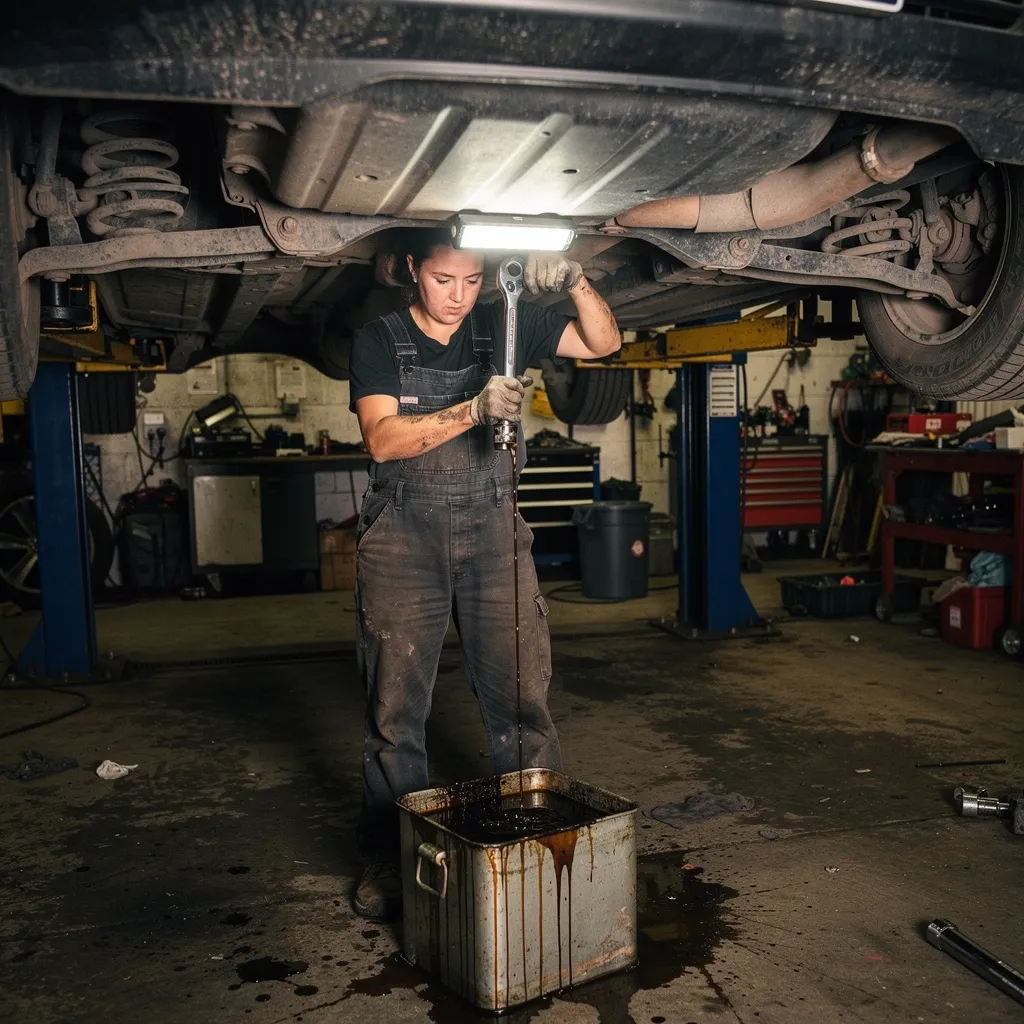
Car Maintenance Habits That Extend Vehicle Life: here's what actually helps. If you want your car to last longer, there are several habits you can adopt. Staying on top of regular maintenance and getting repairs done before they create other problems will save money in the long run, says John Ibbotson, associate director and chief mechanic at Consumer Reports' Auto Test Center. The average car loan length is just shy of 70 months, according to Experian.
Car Maintenance Habits That Extend Vehicle Life: Oil Changes
Many owners assume that the "every 3,000 miles or every three months" oil change rule applies to all cars. But the rule is outdated, and many automakers now recommend intervals of 7,500 or even 10,000 miles and six or 12 months. Over two years and 30,000 miles - assuming $100 per oil change, you could save $600 by changing oil every 7,500 miles instead of every 3,000 miles. Even if you drive fewer miles than recommended annually (e.g., 6,000 miles vs. 7,500), you should still get oil changed twice a year because oil becomes less effective as it ages. There's a lot to consider when deciding which type of oil to put in your car. Conventional oil, which has a base of petroleum, costs less than synthetic oil, which is made from a variety of ingredients, including petroleum, chemicals, and minerals. Synthetic oil can cost two to four times as much as conventional oil, but it resists breakdown better and withstands high temperatures, making it beneficial for short trips, extreme climates, towing, or engines prone to sludge buildup. Some cars require a mix of synthetic and conventional oils, while others are designed to work with only synthetic. Check your owner's manual to determine the right choice for your car.Tires
Your tires should be rotated at least once a year or whenever your car's manufacturer recommends it. If you don't rotate your tires, the front and rear sets will wear at different rates, and you'll need to replace the tires sooner. It's also important to maintain the correct tire pressure. Your tires will wear faster if the pressure is too low, and your car will consume more fuel. Tire rotations, alignments, and wheel balancing should be part of your regular maintenance routine. If you notice unusual tread wear or feel your car pulling to one side, bring it to a shop for a diagnosis. The cost of repairing or replacing worn parts is much lower than it would be if those parts were allowed to fail completely.Car Batteries
Car batteries typically need to be replaced every three to five years, with absorbent glass mat (AGM) batteries lasting longer than traditional lead-acid batteries. AGMs cost more but last longer because they use less water and have fewer leaks than lead-acid batteries. You can check your battery's health by looking for signs of corrosion or damage and checking its voltage with a multimeter. If the voltage is below 12 volts, your battery is probably dead and needs to be replaced. You can buy a battery tester from an auto parts store or online retailer to check your battery's voltage.Brakes
If you hear a grinding sound or notice that your brake pads are worn down to the metal, it's time to replace them. Brakes should be inspected and serviced at least once a year, or more frequently if you drive in heavy traffic or mountainous terrain. Brake pads can be replaced individually, but it's usually cheaper to replace both pads on a wheel at the same time. The cost of replacing brake pads varies depending on the type of vehicle and the quality of the pads, but it typically ranges from $150 to $300 per axle.Coolant Flushes
Coolant flushes may be needed up to 100,000 miles and cost between $200 and $400, as time and engine operation alter the coolant's pH, making it less effective and potentially damaging parts like head gaskets. Coolant flushes are an important part of regular maintenance because coolant helps regulate the temperature of your engine and prevents it from overheating. If you don't flush your coolant regularly, it can become contaminated with rust and debris, leading to engine damage.Timing Belt Replacement
A timing belt replacement is necessary when the belt wears out or breaks. Timing belts are rubber bands that connect the crankshaft and camshaft and control the timing of the engine's valves. A broken timing belt can cause serious engine damage and leave you stranded on the side of the road. Most manufacturers recommend replacing the timing belt at specific mileage intervals, such as 60,000 or 90,000 miles. However, the timing belt's lifespan can vary depending on driving conditions and the type of engine.Safety Inspections
Safety inspections are mandatory in some states and can help ensure your car is safe to drive. They typically check the brakes, lights, tires, suspension, steering, exhaust system, and other components. Safety inspections are often required for annual registration and can cost between $30 and $50. Some states also require emissions testing, which checks for pollutants in your car's exhaust. Emissions tests can cost between $15 and $30.Regular Maintenance Checklist
To keep your car running smoothly and extend its life, follow these steps:- Change the oil and filter according to the manufacturer's recommendations.
- Rotate the tires at least once a year.
- Check the battery's health and replace it if necessary.
- Inspect and service the brakes at least once a year.
- Flush the coolant and check the radiator cap.
- Replace the timing belt according to the manufacturer's recommendations.
- Perform safety inspections and emissions tests as required.
Further reading
- https://www.kbb.com/car-advice/maintenance-guide/
- https://www.consumerreports.org/cars/car-repair-maintenance/make-your-car-last-200-000-miles-a8010293375/
- https://www.consumerreports.org/cars/car-maintenance/things-to-know-about-oil-changes-for-your-car-a9532249359/
- https://www.consumerreports.org/cars/car-repair-maintenance/your-car-maintenance-checklist-a6808357212/
Disclaimer
This article is for general informational purposes only and is not professional mechanical advice. Service intervals and costs vary by vehicle; consult your owner's manual and a qualified mechanic for decisions about your own car.