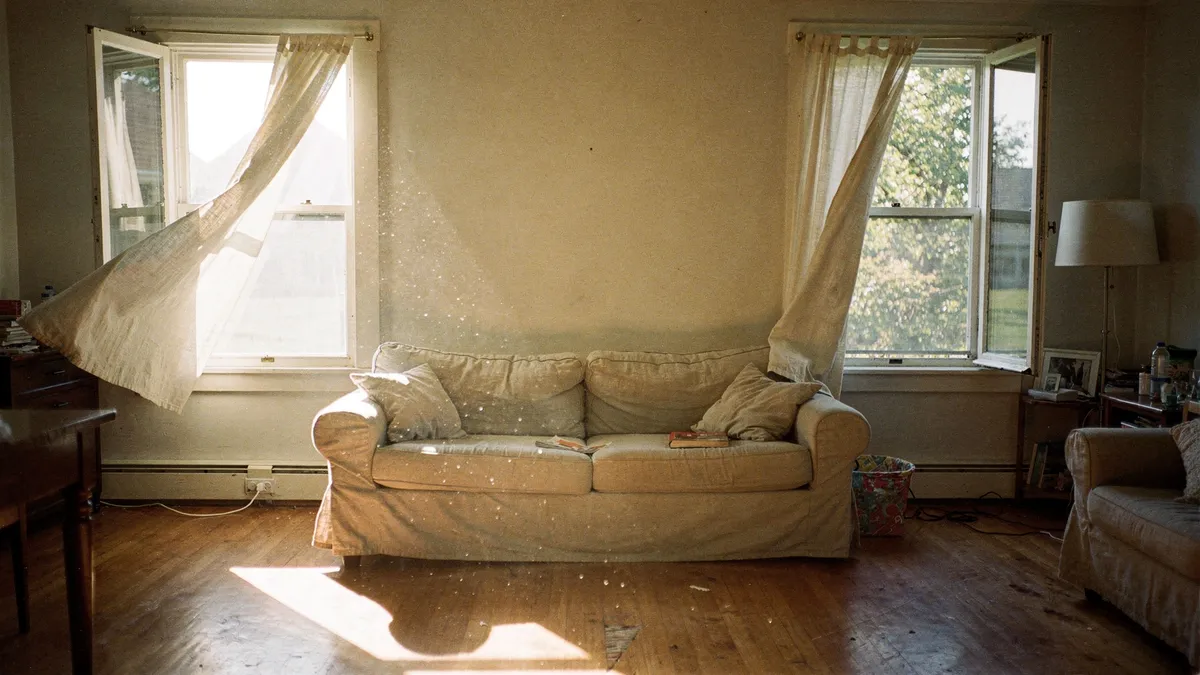
Standing at your table staring at a utility bill that looks like a car payment - while you feel cold air seeping through the window - is the moment you realize Energy-Efficient Home Renovations are mostly about physics in 2026. The math is rarely pretty.
Why Most Energy-Efficient Home Renovations Fail
Most homeowners spend thousands on new windows without checking the attic floors first. The Department of Energy - a federal agency that tracks residential consumption - notes that heat loss through an unsealed attic can account for a meaningful share of your heating costs, making that $10,000 window upgrade a very expensive band-aid for a deep structural wound. It's a financial leakage you can't ignore.
Is your HVAC system working overtime during the humid summer months? Can you actually hear the wind whistling through your wall outlets? Air sealing - a process involving foam and caulk that costs about $500 to $1,500 - is the answer because the Environmental Protection Agency estimates that air sealing plus attic insulation saves an average of 15 percent on annual heating and cooling bills.
Are Your Walls Leaking Cash Every Winter?
The standard pink fiberglass insulation in your walls might look fine, but it often hides significant air gaps. These gaps allow heat to bypass the barrier entirely. You're paying to heat the neighborhood.
Start with the building envelope before you buy new technology. Your walls are the primary shield against the humidity and freezing air. High-performance Energy-Efficient Home Renovations - specifically those targeting wall cavities with blown-in cellulose - can reduce noise and energy transfer by up to 30 percent - providing a return on investment that far outpaces simple cosmetic fixes.
3 Ways Modern Heat Pumps Outperform Furnaces
Switching from a furnace to a heat pump might seem like a drastic move. It's actually a shift toward a technology that moves heat rather than creating it through combustion. You get better control over your home temperature.
Replacing an old oil furnace with a modern heat pump - which moves heat from the outside air into your living room even in freezing temperatures - can slash your fuel consumption by 40 percent. Significant monthly savings are possible here. Why would you wait another winter to fix your heating?
High-Performance Retrofit Solutions for Windows
Considering the age of your insulation - most houses built before 1980 have settled materials that no longer meet modern code - is the first step toward reclaiming your monthly budget from the utility companies that count on your structural inefficiency. These structural upgrades pay for themselves quickly.
Windows are often the weakest link in your insulation. Double-pane units with argon gas - which acts as an invisible barrier - can reduce heat loss through glass by up to 50 percent compared to single-pane wood frames from the 1960s. Twenty percent of heat escapes here. These Energy-Efficient Home Renovations require a significant upfront cash outlay but the long-term comfort is undeniable.
The Hidden Cost of Inefficient Water Heating
How much water do you waste waiting for the shower to get hot? Is your water heater tank sitting in a cold basement while it works to keep 50 gallons of water at 120 degrees all day? Heat pump water heaters use 70 percent less electricity than standard models, which can translate into a few hundred dollars in savings every year for a four person household. The return on investment is clear.
Imagine the sound of a heater clicking on for the tenth time in an hour while you sit wrapped in a wool blanket near a window that feels like an open door. You can feel the draft hitting your ankles as the furnace burns through your bank account. Sixty dollars lost every month.
Is a Professional Energy Audit Worth the Price?
Hire a professional auditor before you buy anything new for the house. A blower door test - which depressurizes your house to reveal every hidden leak - provides a roadmap that prevents you from wasting money on upgrades that your specific building envelope doesn't need. The report is your defense against waste.
Energy-Efficient Home Renovations should always begin with data. You can't fix what you haven't measured. A professional audit costs about $400, but it often identifies thousands of dollars in potential savings that the average homeowner would never find with a simple visual inspection. Knowledge is your best tool.
Smart thermostats learn your habits and adjust the temperature while you sleep. These devices make nighttime and away setbacks automatic, which is where most thermostat savings actually come from. A few dollars a month saved. It adds up over a decade.
Where to Start
Rising utility bills are a symptom of a house that can't hold onto the energy you pay for every month. By focusing on air sealing and high-performance insulation - you can stop the financial bleed and improve your daily comfort. Start with a professional audit to ensure your renovation budget in 2026 is spent where it will have the biggest impact.
⏱️ Quick Takeaways
Frequently Asked Questions
How much can I save with energy-efficient windows?
Most homeowners see a reduction of 12 percent on their energy bills after upgrading. The actual savings depend on whether you're replacing single-pane or double-pane units.
Is spray foam better than fiberglass insulation?
Yes, spray foam provides an air seal and a thermal barrier in one step. While it costs more than fiberglass, it prevents the air movement that causes most energy loss.
What's the most cost-effective energy renovation?
Air sealing and attic insulation offer the fastest return on investment. These projects usually pay for themselves in under three years through lower utility costs.
Are smart thermostats worth the initial cost?
Absolutely, as most units pay for themselves within the first year of use. They eliminate the human error of forgetting to turn down the heat at night.
Can I perform my own energy audit?
You can find large leaks with a candle or incense stick, but you will miss the hidden ones. A professional uses thermal cameras and blower doors to see what's invisible to the eye.