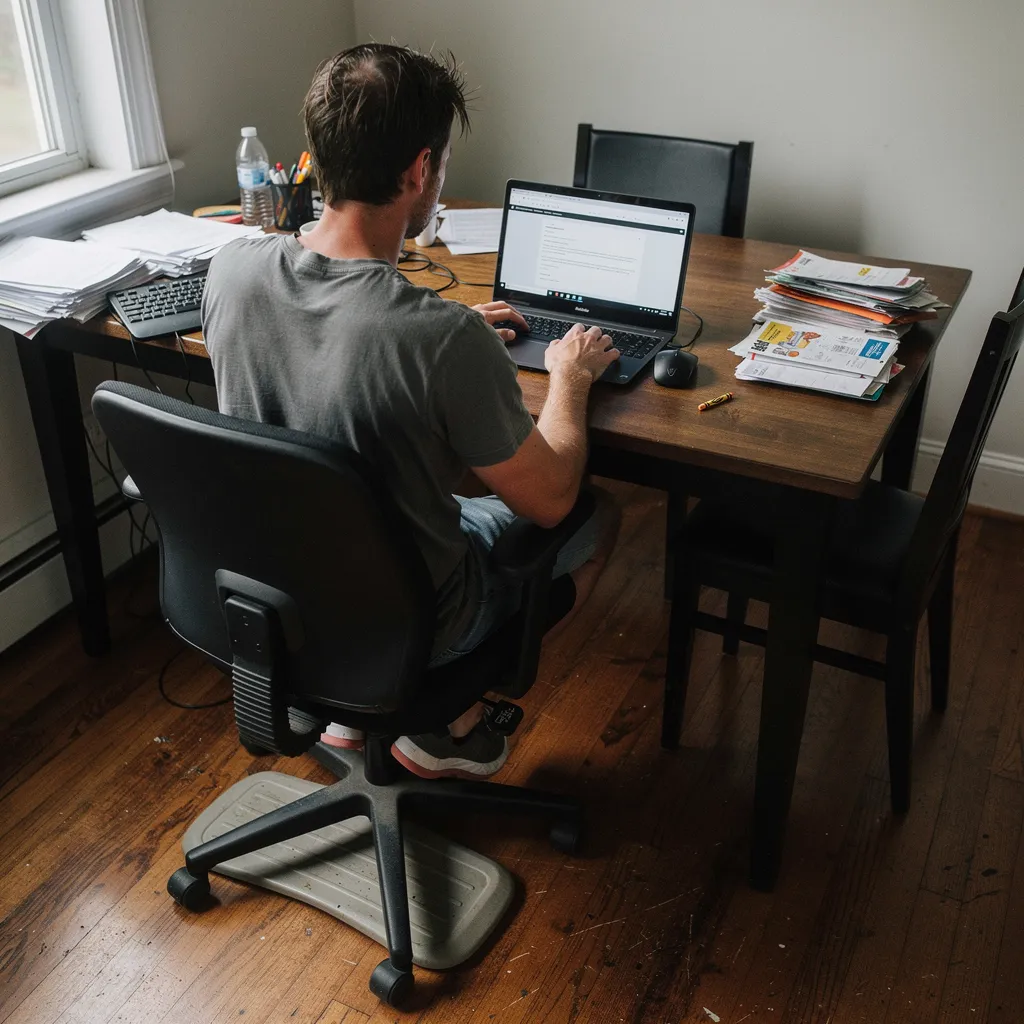
Working from home can be challenging, especially when it comes to maintaining productivity. However, setting up a well-organized home office can help improve your focus and efficiency. This article will provide you with some home office organization ideas for better productivity.
Home Office Organization Ideas For Better Productivity: Choose the Right Location
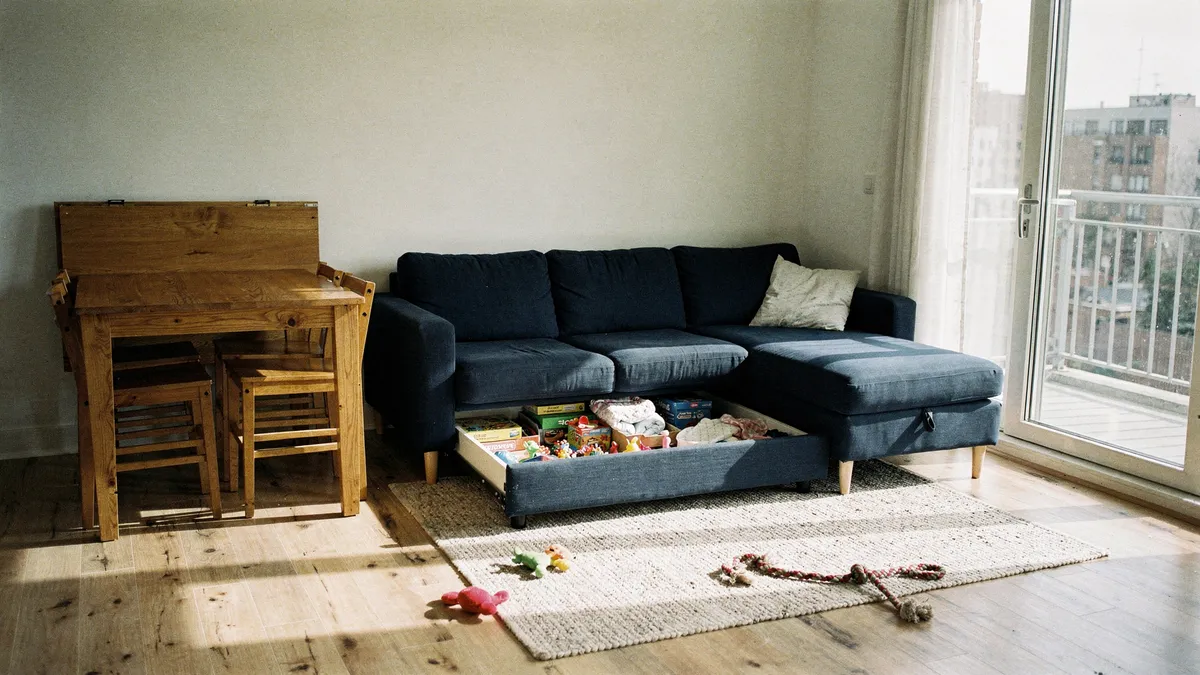
The first step in creating an organized home office is choosing the right location. Ideally, you should have a dedicated space for work, free from distractions. You may not always have the luxury of having a separate room for your office - but even a corner of a living room or dining room can work if you set up a desk and chair there.
If you don’t have a designated room, consider using a portable screen or divider to create a sense of privacy. You can also choose a quiet corner of your home that allows you to concentrate without interruptions. Whatever the case, make sure your workspace is comfortable and ergonomically sound.
Ergonomics - fitting a job to a person - helps lessen muscle fatigue, increases productivity, and reduces the number and severity of work-related MSDs.
Invest in Quality Furniture
Investing in quality furniture is essential for a productive home office. Your desk and chair should be comfortable and ergonomically designed to support your posture and reduce the risk of musculoskeletal disorders (MSDs).
A desk that's too small or too high can cause discomfort and strain - while a chair that's too low or too soft can lead to poor posture and back pain. Consider adjustable chairs and desks that allow you to customize your setup to fit your needs. You can also add footrests, keyboard trays, and document holders to further enhance your comfort and productivity.
Keep Your Desk Clutter-Free
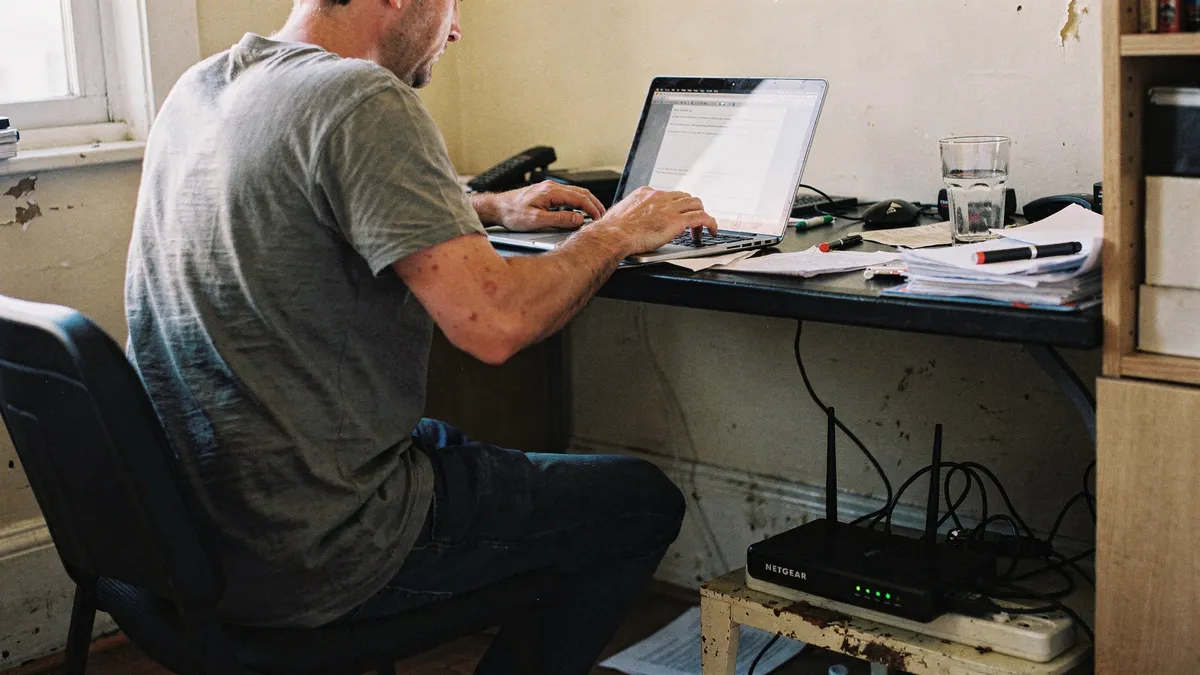
Clutter can be a major distraction and can affect your ability to focus. To maintain a clutter-free desk, start by decluttering regularly. Remove any unnecessary items from your desk, such as papers - pens, and decorations. Keep only the essentials within arm’s reach, and store everything else away in drawers or cabinets.
You can also use organizers and storage containers to keep your supplies and equipment neatly arranged. Labeling containers can help you find what you need quickly, reducing the time it takes to complete tasks. You can also consider adding shelves or a filing cabinet to your office to keep important documents and files easily accessible.
Create a Storage System
A good storage system can help you stay organized and efficient. Start by sorting through all your paperwork and categorizing it into folders or binders. Label each folder or binder clearly, so you know what it contains. Store frequently used items - such as notebooks and pens, in easily accessible drawers or containers.
You can also use digital tools to manage your documents and files. Cloud-based storage solutions, such as Google Drive or Dropbox, allow you to access your files from anywhere, making it easy to work remotely. You can also use project management tools - such as Trello or Asana, to keep track of deadlines and assignments.
Incorporate Lighting and Air Quality
Lighting and air quality can greatly impact your productivity and overall well-being. Natural light can help boost your mood and energy levels, while proper ventilation can help prevent headaches and other ailments caused by poor air quality. You can improve lighting and air quality in your home office by:
A 2023 case study in Alexandria - Egypt found that implementing design features from the WELL Building Rating System achieved an average of 20.2%-35.6% decrease in thermal gain throughout the year. The same 2023 study showed a 20% increase in airflow and an average 2.4%-6.5% decrease in air temperature after applying WELL Building Rating System features. The study also reported enhanced temperature distribution by 7% and direct sunlight reduction by a minimum of 9% in winter and a maximum of 21.9% in spring.
Recent research cited in the 2023 study indicates that 90% of people’s time is spent in enclosed spaces, which impacts their health and productivity.
Add Personal Touches
Your home office should be a reflection of your personality and style. Adding personal touches, such as artwork or photos, can help make the space feel more inviting and inspire creativity. You can also add plants or candles to create a calming atmosphere, or play music in the background to boost your mood. However, it’s important to balance personalization with functionality. Avoid cluttering your workspace with too many personal items, as this can become distracting and hinder your productivity. Instead, choose a few meaningful items that enhance the space without overwhelming it.
Conclusion
By following these home office organization ideas, you can create a productive and enjoyable workspace that supports your goals and enhances your well-being. Remember to choose the right location, invest in quality furniture - keep your desk clutter-free, create a storage system, incorporate lighting and air quality, and add personal touches to your space. With a bit of planning and effort, you can turn your home office into a haven of productivity and creativity.
Home Office Organization Ideas for Better Productivity: Frequently Asked Questions
Here are some frequently asked questions about home office organization ideas for better productivity:
How can I organize my home office to maximize productivity?
To maximize productivity - start by decluttering your workspace and investing in quality furniture that supports your posture and reduces the risk of musculoskeletal disorders (MSDs). Create a storage system for your paperwork and files, and use digital tools to manage your documents and files. Incorporate lighting and air quality into your setup, and add personal touches to make the space feel more inviting.
What furniture should I have in my home office?
You should have a comfortable and ergonomic desk and chair, along with any additional furniture that suits your needs, such as a filing cabinet or bookshelf. Adjustable chairs and desks that allow you to customize your setup can be particularly helpful. You can also add footrests - keyboard trays, and document holders to further enhance your comfort and productivity.
How can I stay focused in my home office?
To stay focused in your home office, minimize distractions by choosing a quiet location and removing unnecessary items from your workspace. Set clear boundaries with family members or roommates, and establish a routine to help you get into a productive mindset. You can also use tools, such as noise-cancelling headphones or a white noise machine - to block out distractions and enhance your concentration.
Can lighting and air quality affect my productivity?
Yes, lighting and air quality can greatly impact your productivity and overall well-being. Natural light can help boost your mood and energy levels, while proper ventilation can help prevent headaches and other ailments caused by poor air quality. Adding plants, opening windows, or using fans can help improve air quality in your home office.
How can I personalize my home office without sacrificing functionality?
You can personalize your home office by adding artwork or photos - plants, or candles to create a calming atmosphere, or playing music in the background to boost your mood. However, it’s important to balance personalization with functionality. Avoid cluttering your workspace with too many personal items, as this can become distracting and hinder your productivity. Choose a few meaningful items that enhance the space without overwhelming it.