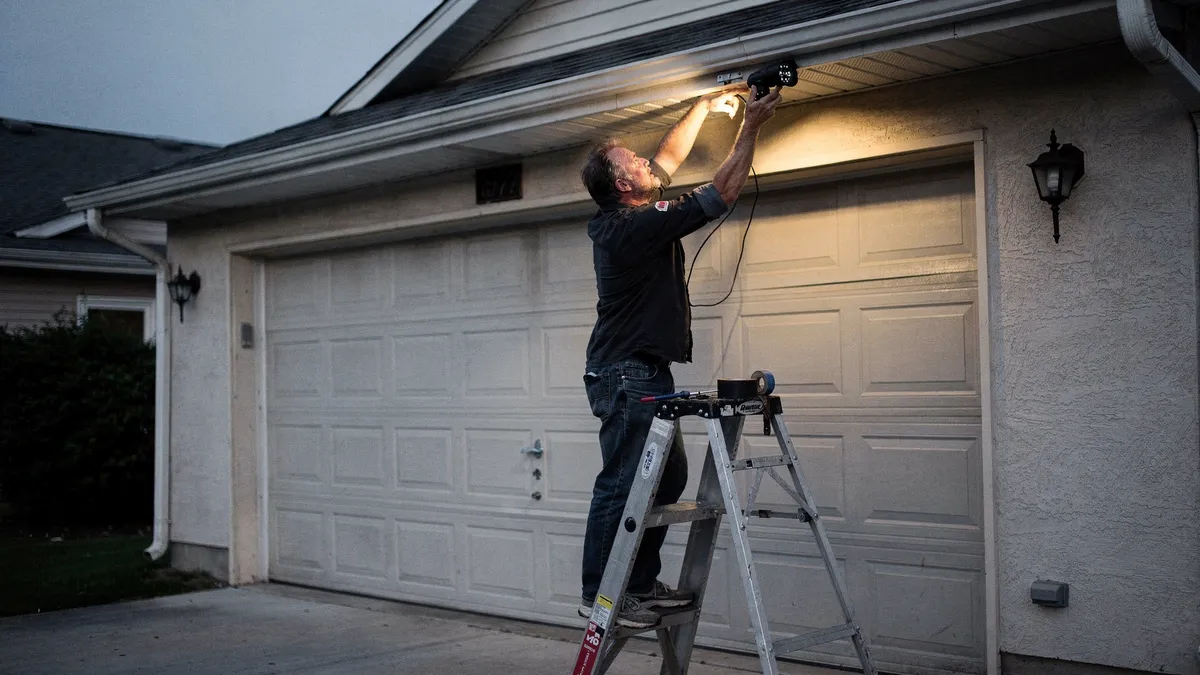
Installing smart lighting in your yard or at your door can be a simple way to make your property feel safer. However, many homeowners make the mistake of choosing the cheapest option on the market, thinking they're saving money. But there are a variety of factors to consider when choosing security lighting, and a cheap choice could end up costing you more in the long run.
Home Security Lighting For Safer Properties: Why You Should Think Beyond the Cheapest Option
When you choose your home security lighting, you want to think beyond the cheapest option. It might seem like a smart idea to go with the lowest price - but it could end up costing you more money in the long run.
The best lighting options have features that can help keep your home safer. For example, the Ring Floodlight Cam Wired Plus has 2,000 lumens of brightness. The Ring Video Doorbell (2nd Generation) also captures clear 1080p HD video. Both are good choices if you want a bright light with surveillance capabilities.
It's important to find a light that meets your needs. If you want a floodlight that's easy to install and use, the Ring Floodlight Cam Wired Plus is a good option. If you want something that will provide more coverage, you might need to spend more money on a larger light.
The cost of installing security lighting can vary widely. A basic motion-sensor floodlight is cheap to fit yourself, while high-end fixtures or professional wiring push the bill significantly higher.
Consider Your Energy Needs and Preferences
You'll also want to think about your energy needs and preferences. Do you want a light that uses less energy? Motion sensor lights can reduce home energy usage by 30% to 50% compared to traditional always-on lighting systems, depending on usage patterns. So, if you want to save money on electricity, a motion sensor light might be a good choice.
Do you want a light that's easy to use? Many lights come with sensors that turn the light on and off automatically. These sensors can be set to detect movement within a certain distance or to detect temperature changes.
Some lights come with additional features, such as the ability to connect to your Wi-Fi network. This can be useful if you want to control the light remotely or if you want to receive notifications when the light turns on or off.
Check for Standards and Regulations
Before you buy a light - check for standards and regulations. Common standards include UL 1598 for luminaires and UL 8750 for LED equipment, along with IEC 60598. UL Solutions supports LED and conventional lighting products, components and systems with expertise in widely used UL lighting standards and international pathways.
In addition, many local governments regulate the installation of security lighting. Check with your local government to see if there are any regulations that you need to follow.
Find Out About Sales Tax and Insurance Discounts
Finally, you should find out about sales tax and insurance discounts. In many places - the purchase of security lighting equipment is treated like the purchase of other tangible goods, which can trigger sales tax at checkout. Some home insurance companies offer a safe home discount to homeowners who install security or alarm systems.
With all of these factors in mind, you should be able to find a security light that meets your needs and fits your budget. Remember to shop around and compare prices before making a final decision.
Conclusion
While the cheapest option might seem tempting, it's important to think beyond price when choosing home security lighting. Look for a light that meets your needs and fits your budget, and consider the long-term benefits of investing in quality lighting. With the right security lighting - you can make your property feel safer and more secure.
References
- lights can reduce home energy - heraldtribune.com
- LED and conventional lighting products - ul.com