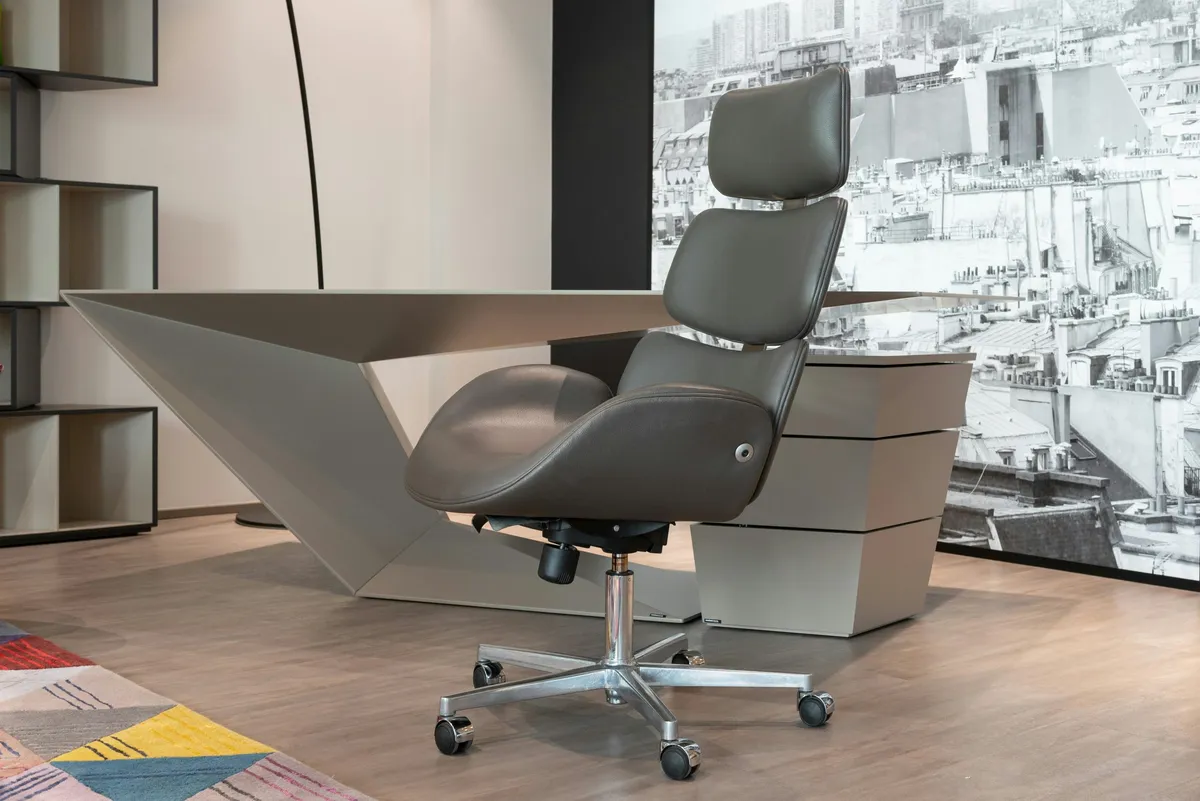
Did you know that the average office worker spends about 1,700 hours a year sitting? That's a lot of time for your back to suffer if you're not using the right chair. I've been there, hunched over my desk, feeling the strain in my lower back. But fear not! We're about to embark on a journey to find the perfect ergonomic office chair that'll keep your spine happy and productive.
Understanding Ergonomics: The Science Behind Back-Saving Chairs
Ergonomics is the science of designing and arranging workplaces, products, and systems to fit the people who use them. In the context of office furniture, ergonomics plays a crucial role in creating chairs that support the human body's natural posture and movements. The importance of ergonomic office chairs cannot be overstated, as they directly impact our health, comfort, and productivity during long hours of seated work.
When searching for an ergonomic office chair, several key features should be on your radar. These include adjustable lumbar support, which maintains the natural curve of your lower back, and a seat height mechanism that allows your feet to rest flat on the floor while your thighs are parallel to the ground. Additionally, look for chairs with adjustable armrests, a flexible backrest, and a seat pan with the right depth and width for your body.
Proper ergonomics in office chairs can prevent back pain and improve posture by promoting correct spinal alignment. By supporting the natural S-curve of the spine, these chairs reduce strain on the back muscles and intervertebral discs. This support is especially crucial during prolonged sitting, which can otherwise lead to poor posture, muscle fatigue, and chronic pain.
What Each Price Tier Actually Buys You
$800 and up. This is where the established office brands live. Expect full adjustability (seat depth, four-way armrests, synchronous tilt), breathable mesh or high-grade foam, and warranties of ten years or more. The premium buys refinement and longevity, not a different kind of ergonomics.
$500 to $800. Chairs here usually keep the important adjustments, including real lumbar support and tilt tension, but trim the warranty and use firmer, simpler cushioning. For most full-time desk workers this tier is the sweet spot.
$300 to $500. You get the essentials: height, tilt, basic lumbar support, and adjustable armrests. Mechanisms are heavier and less precise, and very tall or short users may struggle to find a good fit.
Under $300. An ergonomic shape with few adjustments and lighter-duty materials. Fine for part-time desk work, but plan on replacing it sooner and check the weight rating before buying.
Whatever the tier, judge a chair by the same checklist: adjustable lumbar support, seat height and depth that fit your legs, armrests that meet your elbows at 90 degrees, and a tilt you will actually use. A cheaper chair that fits your body beats an expensive one that does not.
Essential Features of Back-Friendly Office Chairs
Lumbar support is perhaps the most crucial feature of an ergonomic office chair. It works by filling the gap between the lower back and the chair, maintaining the spine's natural curve. This support reduces pressure on the lumbar discs and prevents the tendency to slouch, which can lead to back pain and poor posture over time.
Adjustable armrests are another key feature, allowing users to position their arms at a comfortable height that keeps shoulders relaxed and elbows at a 90-degree angle. This adjustment helps prevent strain in the neck, shoulders, and upper back. Similarly, adjustable seat height ensures that users can sit with their feet flat on the floor and thighs parallel to the ground, promoting proper circulation and reducing pressure on the lower back.
Tilt and recline mechanisms are essential for dynamic sitting, which involves changing positions throughout the day. These features allow users to lean back, relieving pressure on the spine and promoting better blood flow. Some chairs offer synchronous tilt, where the seat and backrest move in coordination, maintaining optimal support in various positions.
Beyond the Chair: Creating an Ergonomic Workspace
While an ergonomic chair is fundamental, it's just one part of a back-friendly workspace. Proper desk height is crucial – your desk should allow your elbows to rest at a 90-degree angle when typing. Monitor positioning is equally important; the top of your screen should be at or slightly below eye level to prevent neck strain.
Regular movement and stretching are vital components of an ergonomic work routine. Set reminders to stand up and move around every 30-60 minutes. Simple desk stretches can help alleviate muscle tension and improve circulation.
Complementary ergonomic accessories can further enhance your workspace. Footrests can help shorter individuals maintain proper posture, while keyboard trays ensure your arms and wrists are in a neutral position. Standing desk converters offer the flexibility to alternate between sitting and standing throughout the day, promoting movement and reducing the negative impacts of prolonged sitting.
Investing in Your Health: The Long-Term Benefits of Ergonomic Chairs
The investment in an ergonomic chair pays dividends in long-term health benefits. By promoting proper posture and reducing strain on the musculoskeletal system, these chairs significantly lower the risk of developing chronic back pain and other musculoskeletal disorders. This preventive approach can save substantial costs on medical treatments and potential time off work due to health issues.
Improved comfort leads to enhanced focus and productivity. When you're not constantly shifting to find a comfortable position or distracted by discomfort, you can maintain concentration on your tasks for longer periods. This increased productivity can translate to better work performance and potentially career advancement opportunities.
Moreover, the cost savings extend beyond just medical expenses. By reducing the likelihood of work-related injuries and chronic conditions, ergonomic chairs can help decrease absenteeism and associated productivity losses for both individuals and organizations.
Expert Tips for Choosing the Right Ergonomic Chair
Selecting the perfect ergonomic chair requires consideration of your unique body type and specific needs. If you have existing back issues or a particular body shape, look for chairs that offer targeted support in those areas. For instance, individuals with lower back pain might prioritize chairs with enhanced lumbar support, while taller users should seek chairs with higher backrests.
Whenever possible, test chairs before purchasing. Many office furniture stores and ergonomic specialists offer trial periods or in-store testing. Spend at least 15-20 minutes sitting in a chair to get a true feel for its comfort and support. Pay attention to how easily you can adjust the chair and whether it supports your natural posture.
Understanding warranty and return policies is crucial when investing in an ergonomic chair. Look for chairs with comprehensive warranties that cover both materials and mechanisms. A good warranty often indicates the manufacturer's confidence in their product's durability. Additionally, check the return policy – a generous return period allows you to thoroughly test the chair in your actual work environment.
The Bottom Line: Your Back Will Thank You
Investing in an ergonomic office chair is an investment in your health, comfort, and productivity. By choosing a chair that supports your body's natural posture and allows for dynamic movement, you're taking a proactive step in preventing back pain and other musculoskeletal issues associated with prolonged sitting.
Remember that the best ergonomic chair is one that fits your body and work style. Take the time to research, test, and select a chair that meets your specific needs. Your back will indeed thank you for years to come, as you enjoy improved comfort, better posture, and potentially increased productivity in your work life.